
Story CEB · Cebu City
The Airbnb that looked so good in the photos
I got my money back after a bad stay in Cebu City, but Airbnb removed the review I left for the next guest.
Written and photographed by Ethan Ward
Went: 1 month
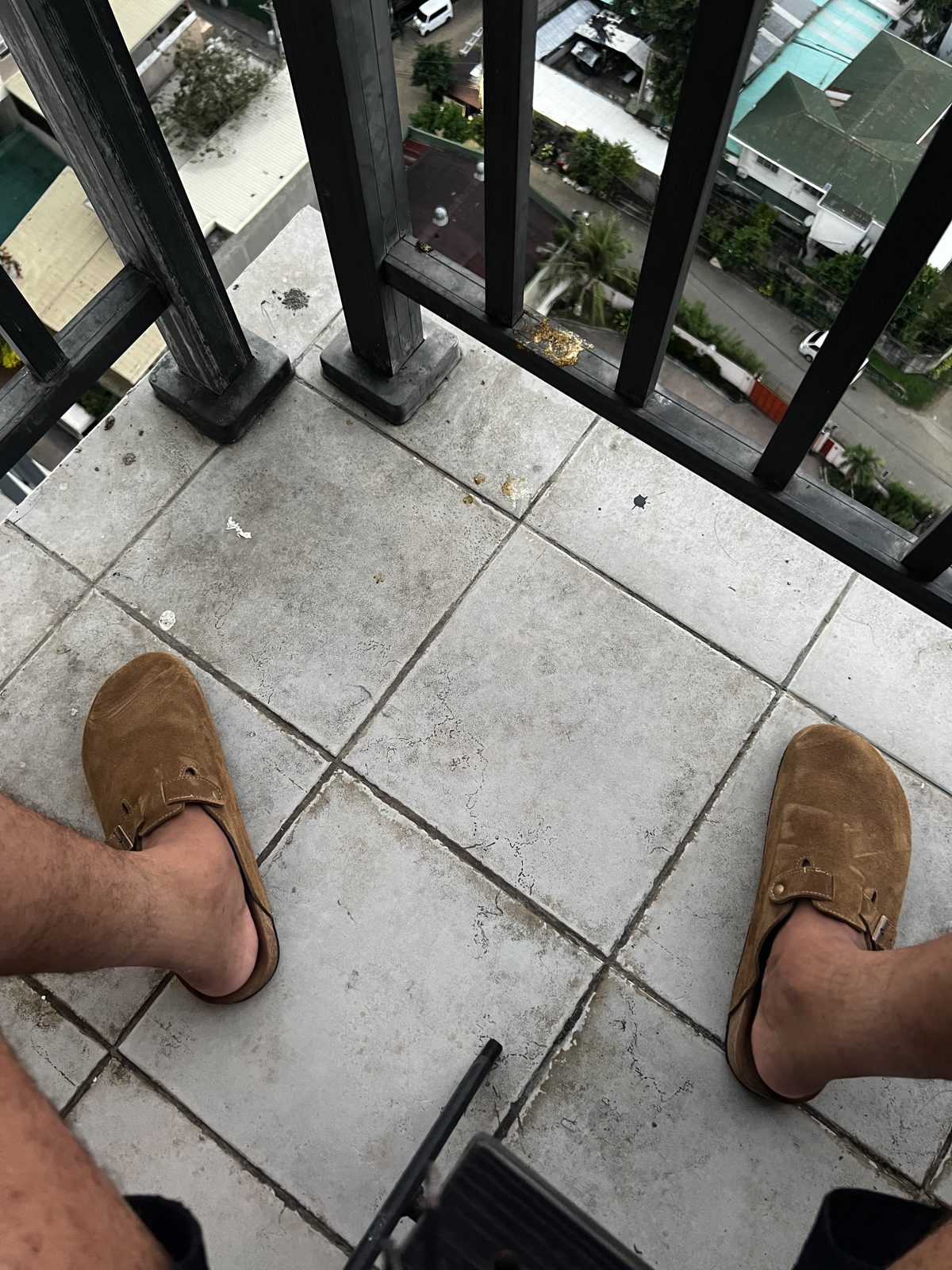
The balcony chair was broken. I found out by nearly falling off it.
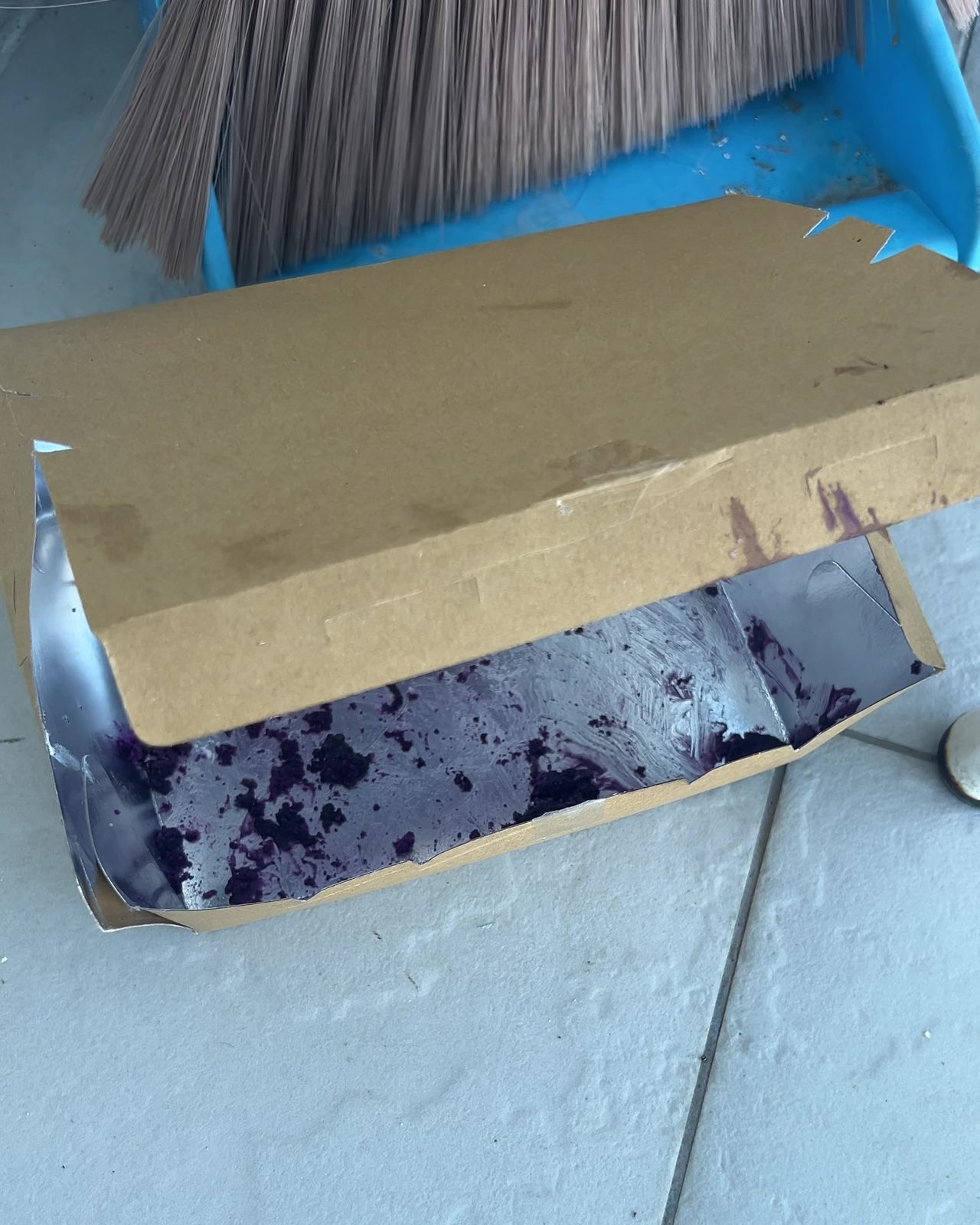
I was staying in an Airbnb at Grand Residences in Cebu City. A previous guest’s takeout container was still on the balcony, and ants were moving across the floor toward it. The apartment smelled faintly of rotting fruit. There was no shower curtain, so the bathroom floor flooded whenever I turned on the water.
Downstairs, signs asked residents to stop throwing trash and cigarettes off their balconies.
I had paid $1,009.78 for a reservation of just under 5 weeks.
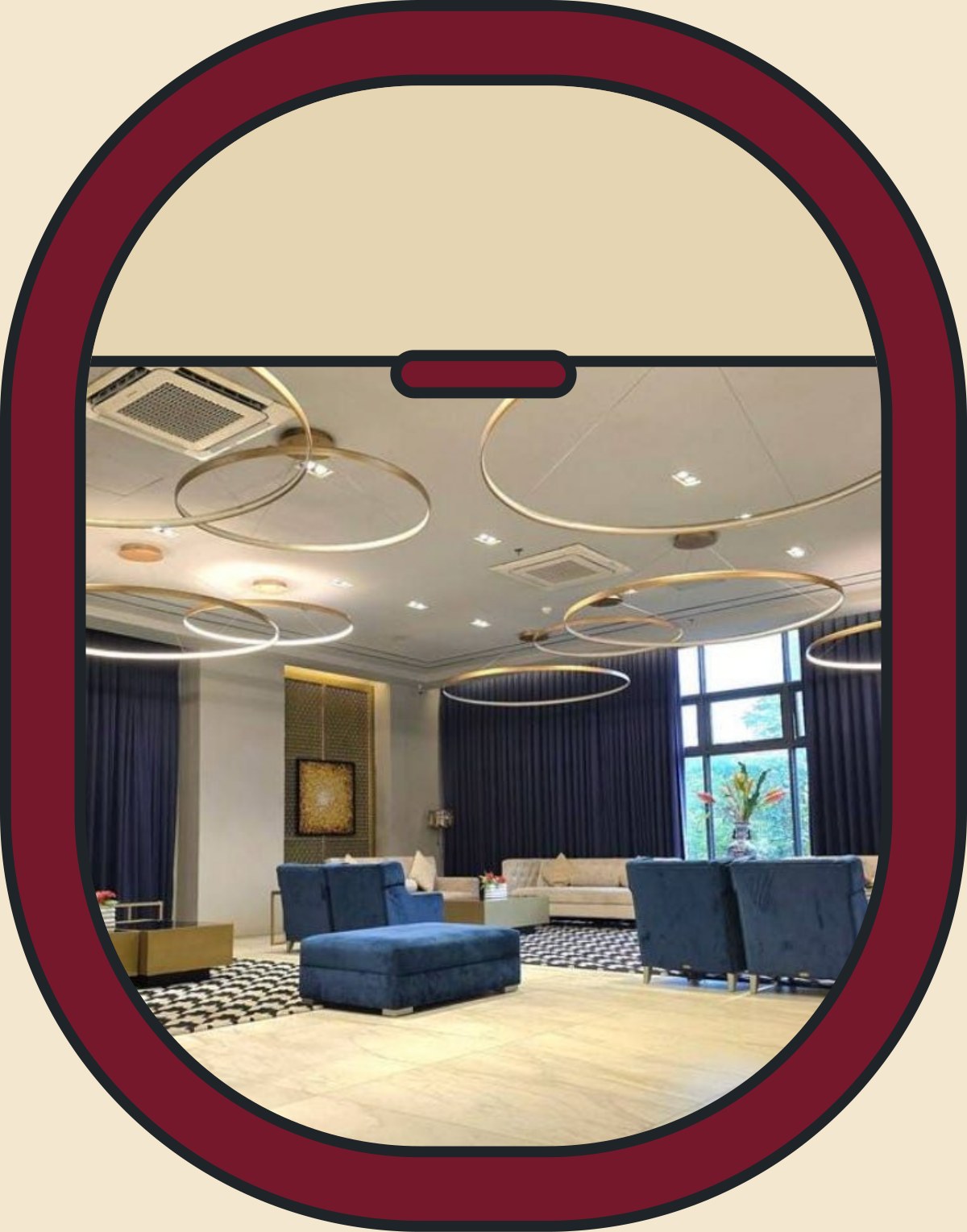
The listing had shown a lobby with gold pendant lights, blue velvet furniture, marble floors, and floor-to-ceiling windows. The hosts had answered my questions politely. I had read the reviews. Before Cebu, I had used Airbnb in Bangkok, Ho Chi Minh City, Hanoi, Da Nang, Hoi An, and Bali. Every booking had delivered what the photographs promised, sometimes better.
I thought I knew what to look for.
The lobby looked the way it had in the pictures. It just didn’t tell me much about the apartment upstairs.
The hosts, Steve and Jane, were based a few miles away in Cebu City. When I reported the problems, they offered to move me to another unit. They said they needed an hour to prepare it.
That apartment had insects and grime too. The bathroom looked as though it had not been cleaned in weeks.
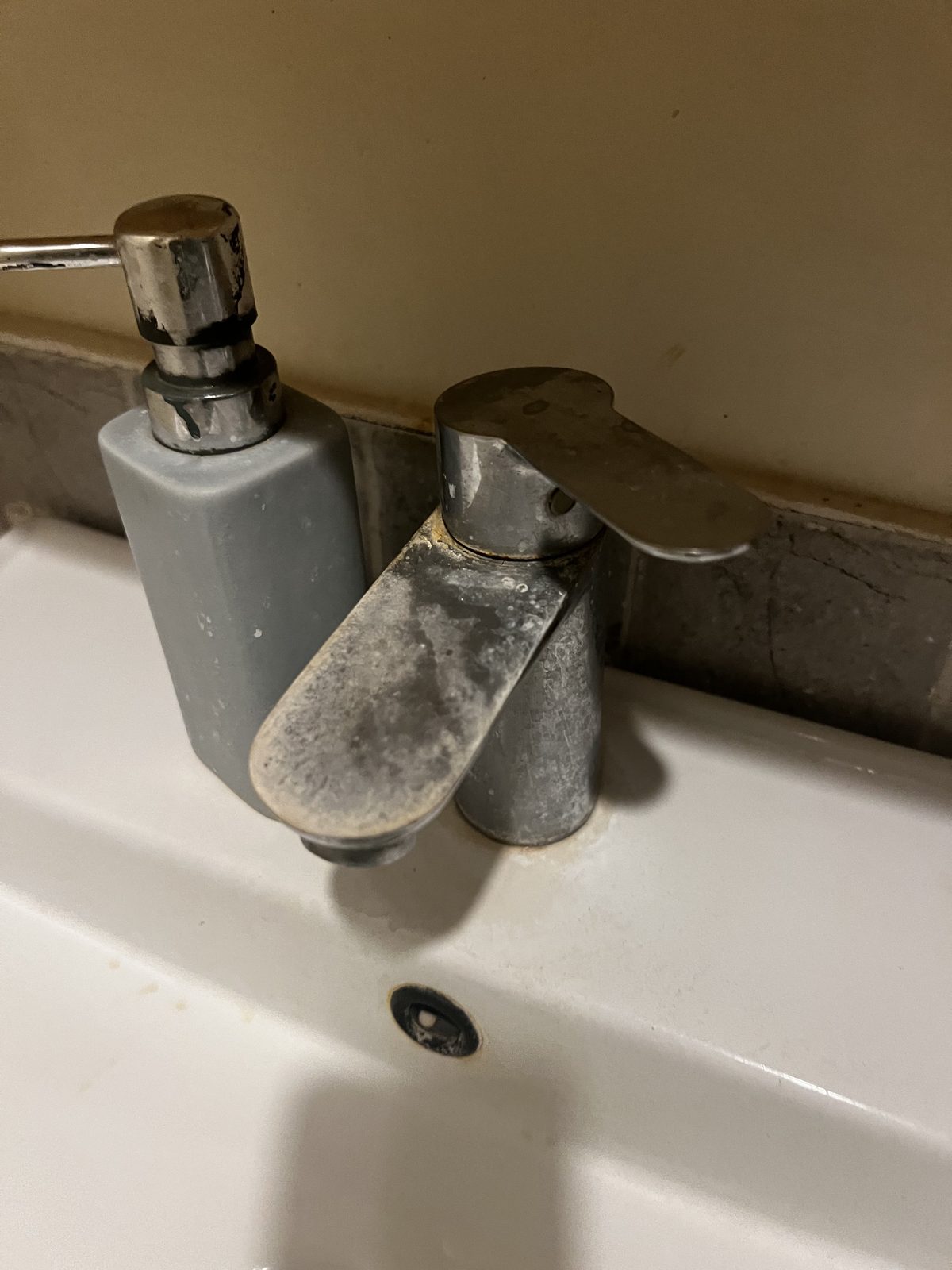
I had now seen 2 of their apartments. I wouldn’t have chosen either.
They kept saying they could send the cleaner or the maintenance worker. I wanted the cleaning and repairs done before I arrived. I also wanted a way out of the reservation.
I offered a compromise. I would pay for 2 weeks of the booking if they refunded the rest. They refused, saying they were following Airbnb’s cancellation policy.
I spent 2 days dealing with the apartments. The effort to get a refund involved at least 18 Airbnb agents.
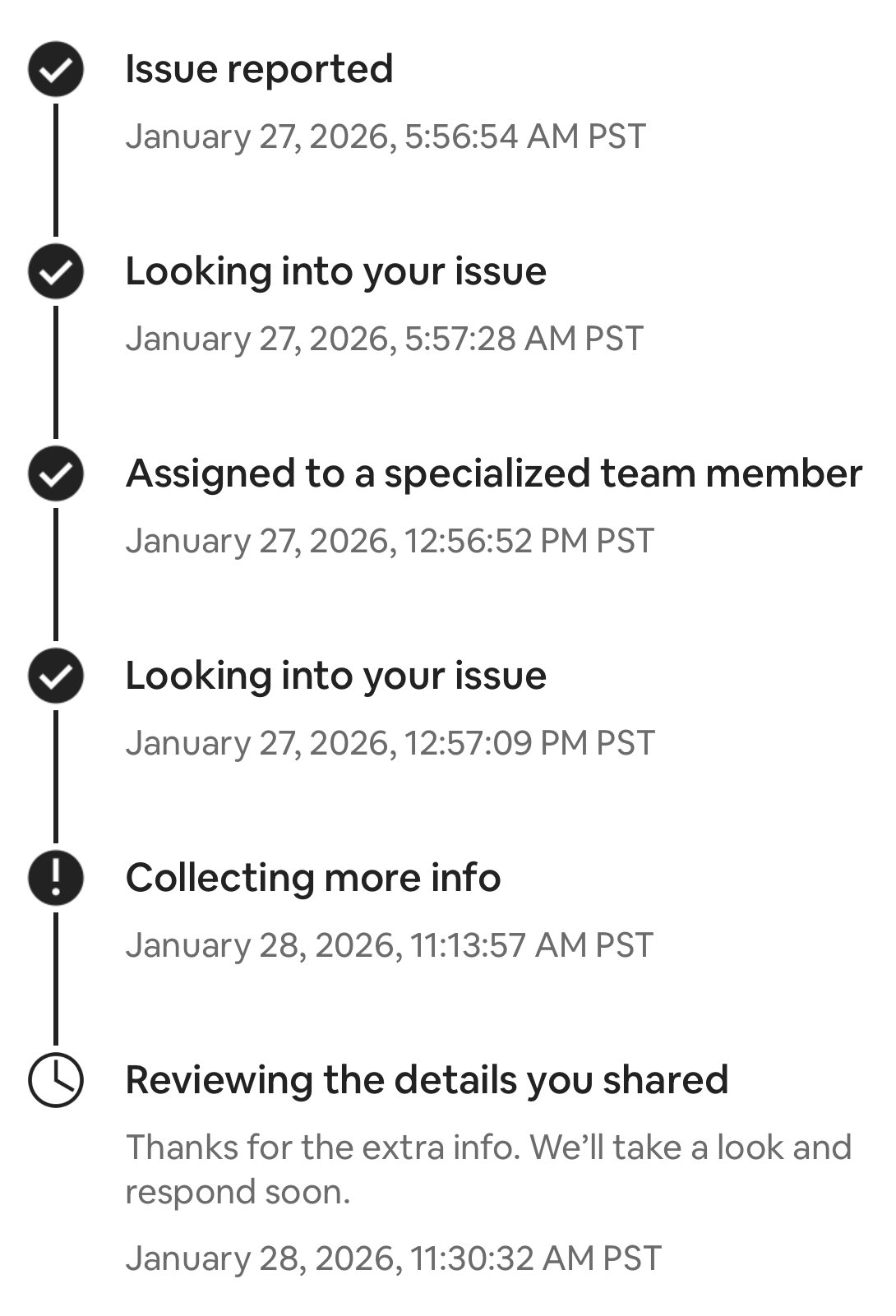
I sent photographs of the ants, videos of the building, and screenshots of messages in which the hosts acknowledged the problems. As new agents took over, their replies often gave me little reason to think they had read the earlier messages. I kept explaining what had happened.
I had not expected to need those skills to get a clean apartment.
They understood my frustration, they said. Then they referred me back to the cancellation policy.
One message read: “The documentation you have provided is unfortunately not sufficient for us to offer a full refund for this reservation.”
I had photographs of the conditions and messages from the hosts discussing them. I was still being asked to establish that I had a problem worth refunding.
I knew how to do that work. I am a journalist. Gathering records, finding contacts, and following up when someone has not answered a question are familiar tasks.
I had not expected to need those skills to get a clean apartment.
I contacted Airbnb’s press office to ask how it handled misrepresented listings, what recourse guests had after cancellation windows closed, and whether it would intervene in my case. I was seeking both a response for publication and help resolving my reservation. I gave the company 48 hours to respond before I moved forward with publishing my documentation.
I also filed complaints with the Philippine Department of Trade and Industry and the Department of Tourism. Through Airbnb’s support system, I sent a demand letter describing the problems and setting out why I believed I was entitled to a refund.
Eventually, Airbnb refunded me in full.
I don’t know which step changed the decision. I know that I kept pressing after being told my documentation was insufficient, and that doing so took time and persistence.
I still wonder what would have happened if I had accepted one of the earlier refusals.

The listing was still up after my refund. I had resolved my payment dispute, but I did not know whether the next guest would find the apartments ready.
There was also the review I had left.
Airbnb notified me that it had removed my review for violating its review policy. The reason it gave was “coercion.”
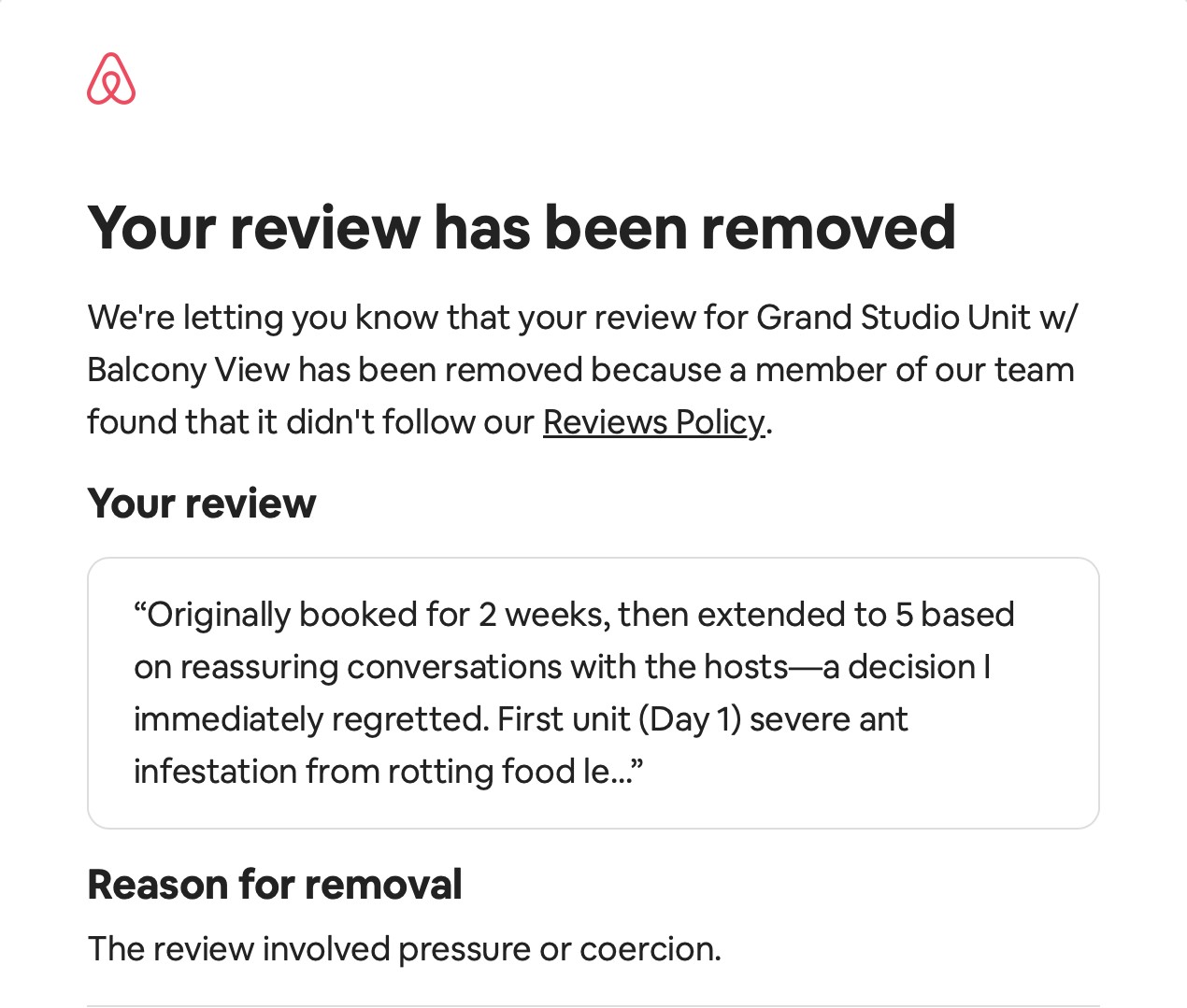
I asked support to explain. I considered my review factual, and I wanted to know what in it supported that finding.
The reply referred again to concerns about pressure or coercion. It did not identify any specific language in my review. The support member also said someone had contacted me to discuss the matter. I disputed that account.
I had been forceful in pursuing the refund, including telling the press office that I planned to publish. Airbnb did not explain whether those communications had anything to do with its decision about the review.
My own review could have added information I would have wanted before booking. It was no longer there for someone else to read.
By the time support became involved, my conversations with the hosts had stopped. I could not tell whose complaint or which exchange Airbnb was referring to.
I followed up with the press office from my business email, describing the review’s removal and asking for an explanation. I offered to share the photographs, videos, and conversations I had collected.
The press office never responded to either inquiry.
Before booking, I had relied partly on the accounts of 44 other guests.
After staying there, I wondered how much those reviews could tell me about the stay I was planning. Someone spending a weekend mostly out of the apartment might need different things from someone staying for weeks. An easy check-in says little about how a host handles a problem later.
I could not know what each guest had encountered or what had changed between their visit and mine.
My own review could have added information I would have wanted before booking. It was no longer there for someone else to read.
That bothered me more than the rating alone. I had photographs of the conditions, messages from the hosts, and a refund following Airbnb’s review of my evidence. Yet I still had no specific explanation for why my account of the stay had been removed.
I continued using Airbnb. For longer stays in parts of Southeast Asia, the alternatives could be more expensive or less flexible. The Cebu experience did not make those trade-offs disappear.
I wouldn’t book those apartments again. I had already paid once, moved units, documented the problems, and argued for a refund. Leaving a review was how I could tell the next person what happened.
I got my money back. The next guest still needed to choose somewhere to stay, and my review was gone.
Read next: A month in Bangkok

Each issue has a letter from me, one long story, and picks I’d book again.
Free. One email a month. I never sell your address.


