
Story DUB · Dublin
Dublin taught me the difference between an expat and an immigrant
I moved to Dublin for a master’s degree and planned to stay, but the welcome I experienced was not the one I saw everyone receive.
Written and photographed by Ethan Ward
Went: 1 year
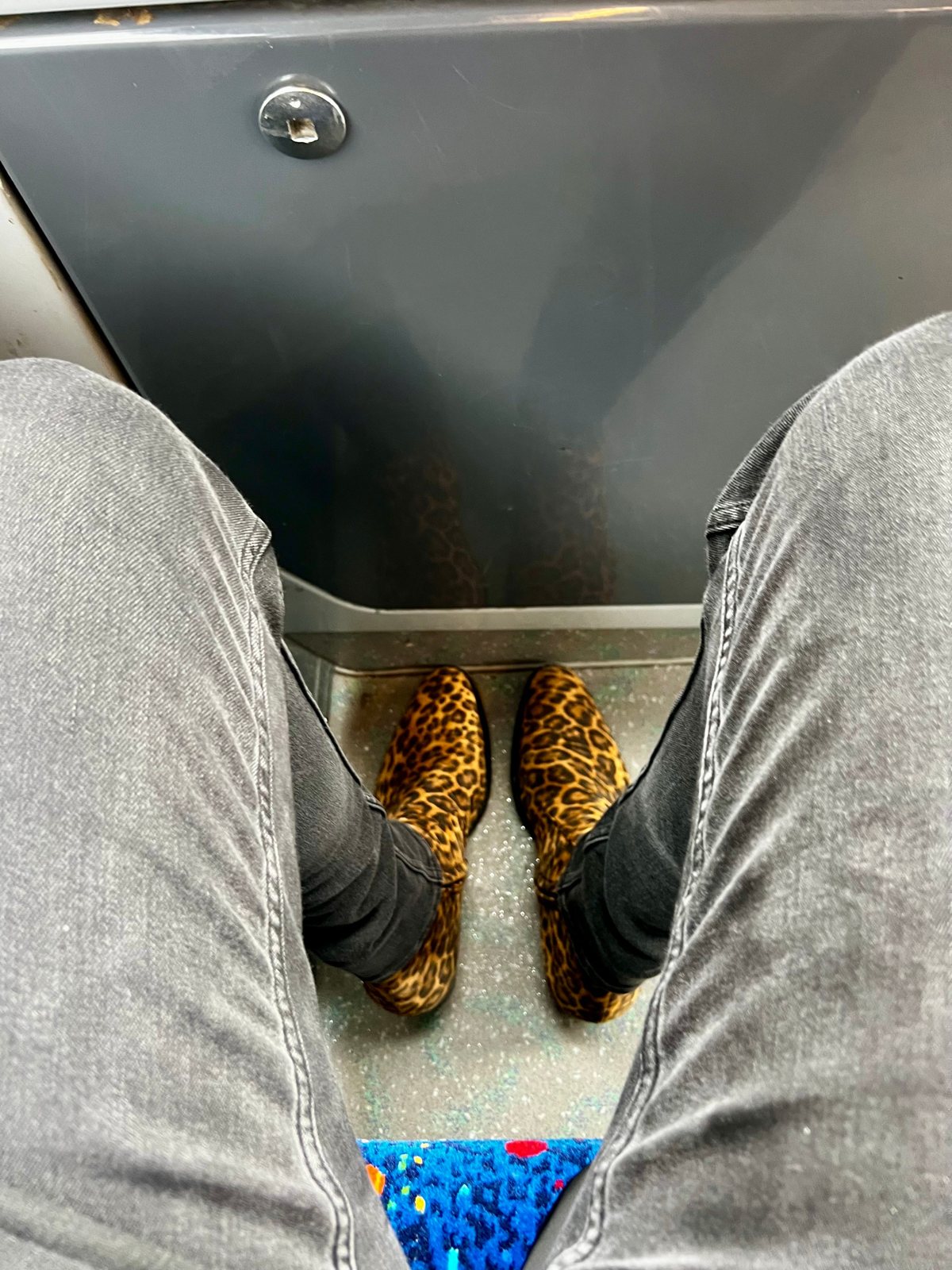
One day during rush hour, a boy on a Dublin bus looked at my feet and asked, at full volume, “Are those GIRL shoes?!”
I was wearing Saint Laurent Wyatt boots. Leopard print, with a heel about an inch high, under a long black wool coat. I had taken the middle seat at the back of the lower level so I could cross my legs.
The boy had boarded with his family and spent much of the journey running upstairs and back down. He looked about 7 or 8. His teenage sister was near me when he came over to inspect the boots.
The back of the bus turned to look. I smiled, caught off guard, and told him no. They were for anyone brave enough to wear them.
“Oh. Okay,” he said, and went back to the front.
The woman beside me smiled and shook her head.
I was 41 and taking the bus as part of ordinary life for the first time. I took so many selfies on Dublin buses that they became one of my favorite places to photograph myself. I had moved there for a master’s degree, but I was also trying to work out whether this was where I would stay.
My plan extended well beyond graduation. I wanted a job, permission to remain, and eventually the possibility of citizenship. I had not moved to Dublin thinking of myself as an immigrant.
The plan was to stay
I arrived from Paris and moved into student housing on Bonham Street in the Liberties, Dublin 8. I had been weighing Dublin against Paris for school. Dublin offered the course I wanted: Human-Computer Interaction, with a focus on responsible AI. I wanted to study something that would stretch me in a different direction.
There was also my surname. I had looked up Ward, found a connection to Ireland, and let that feel meaningful. I thought the place might turn out to be familiar in some way. It was a lot to put on a last name.
The apartment overlooked the park on Bridgefoot Street. I could see the Liffey in the distance. On some afternoons, families and children filled the park. On others, teenagers set off firecrackers or lit small fires. I also saw people using drugs and meeting to buy them near the playground.
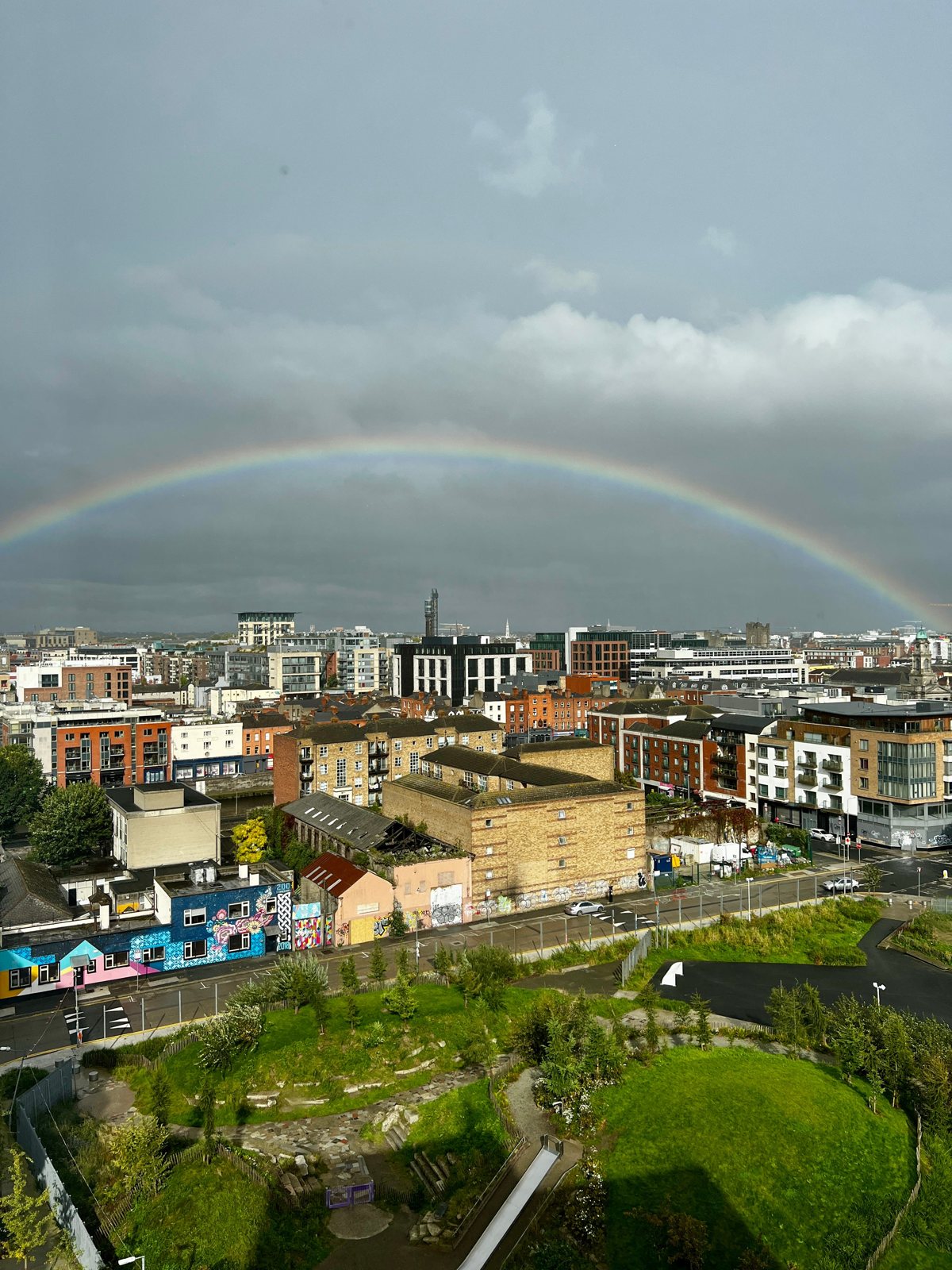
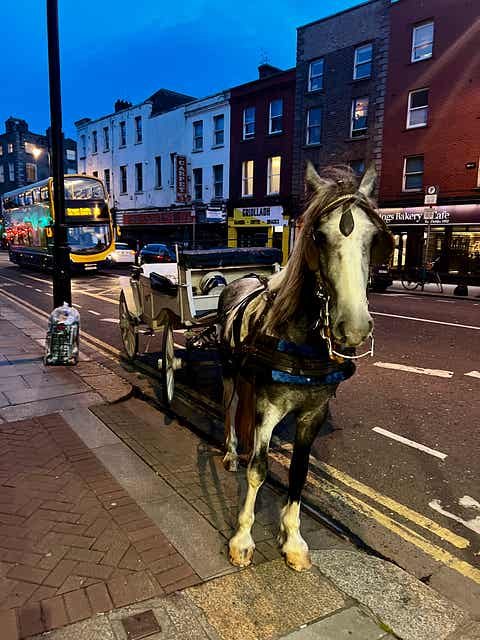
I had grown up around Washington, D.C., and spent 13 years in Los Angeles. Those scenes were familiar to me. What surprised me was seeing them in a city I had mostly pictured through pubs and friendly people. Around the neighborhood, new student housing and hotels were going up. I saw horse-drawn carriages on Thomas Street. I smiled whenever I saw one.
Living centrally meant I could walk to many of the places I needed. For campus, I took the bus.
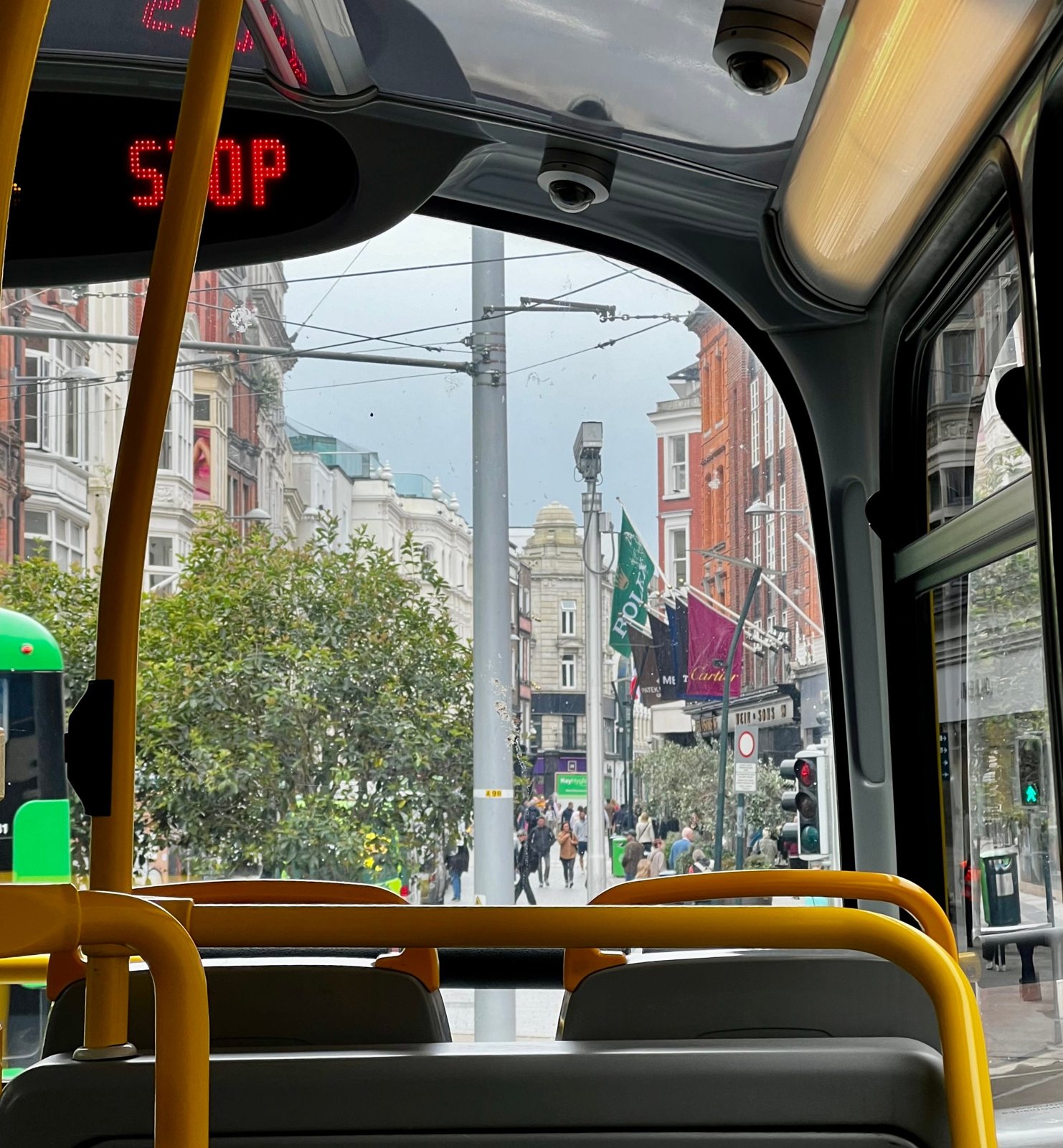
In suburban Maryland, getting a driver’s license had felt like a requirement for becoming an adult. I used the Metro occasionally, but somewhere along the way I had decided the bus was for people who couldn’t afford another option. Then I moved to Los Angeles, bought into driving everywhere, and never tested that idea. I never rode the bus there.
The buses in Dublin were fine. The difficult adjustment was admitting what I had thought about the people who used them.
By the end of my stay, I walked or took transit without giving it much thought. I no longer thought taking the bus said anything about who a person was.
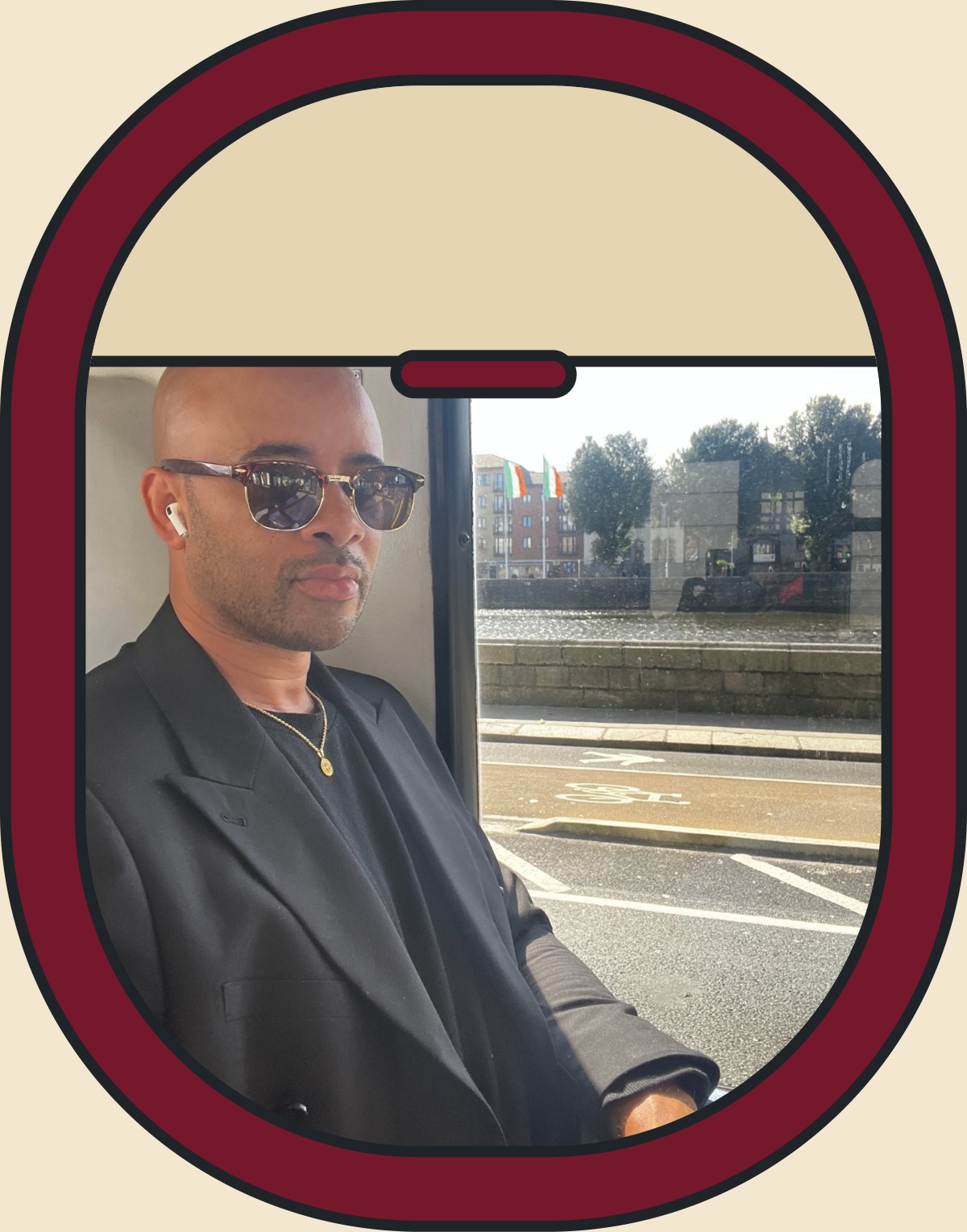
People did look at me in Dublin. I’m 6 feet 3, Black, and sometimes wearing leopard boots. I thought the clothes attracted some of the attention. What I liked was that a glance could become a conversation. Someone would ask about my coat or where I was from. On the bus, a child could ask his question, accept my answer, and get on with his day.
I felt comfortable moving through the city. That mattered to me. So did what I was seeing on those same journeys.
What I saw from the flat
Walking to bus stops and riding to campus, I kept encountering protests outside buildings housing refugees and asylum seekers. People stood outside with signs and shouted. Housing-crisis posters appeared in windows. There were tents along my bus route.
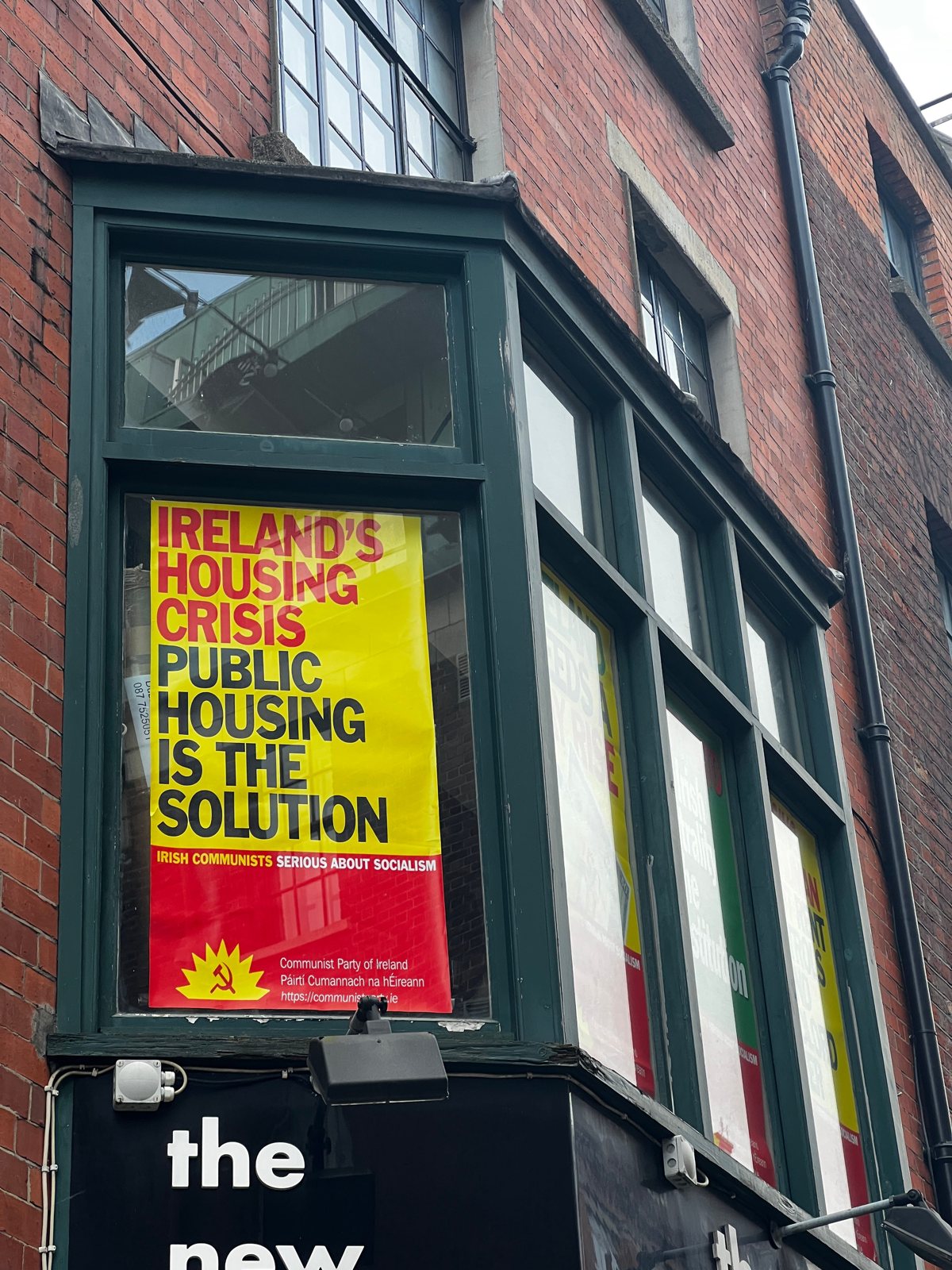
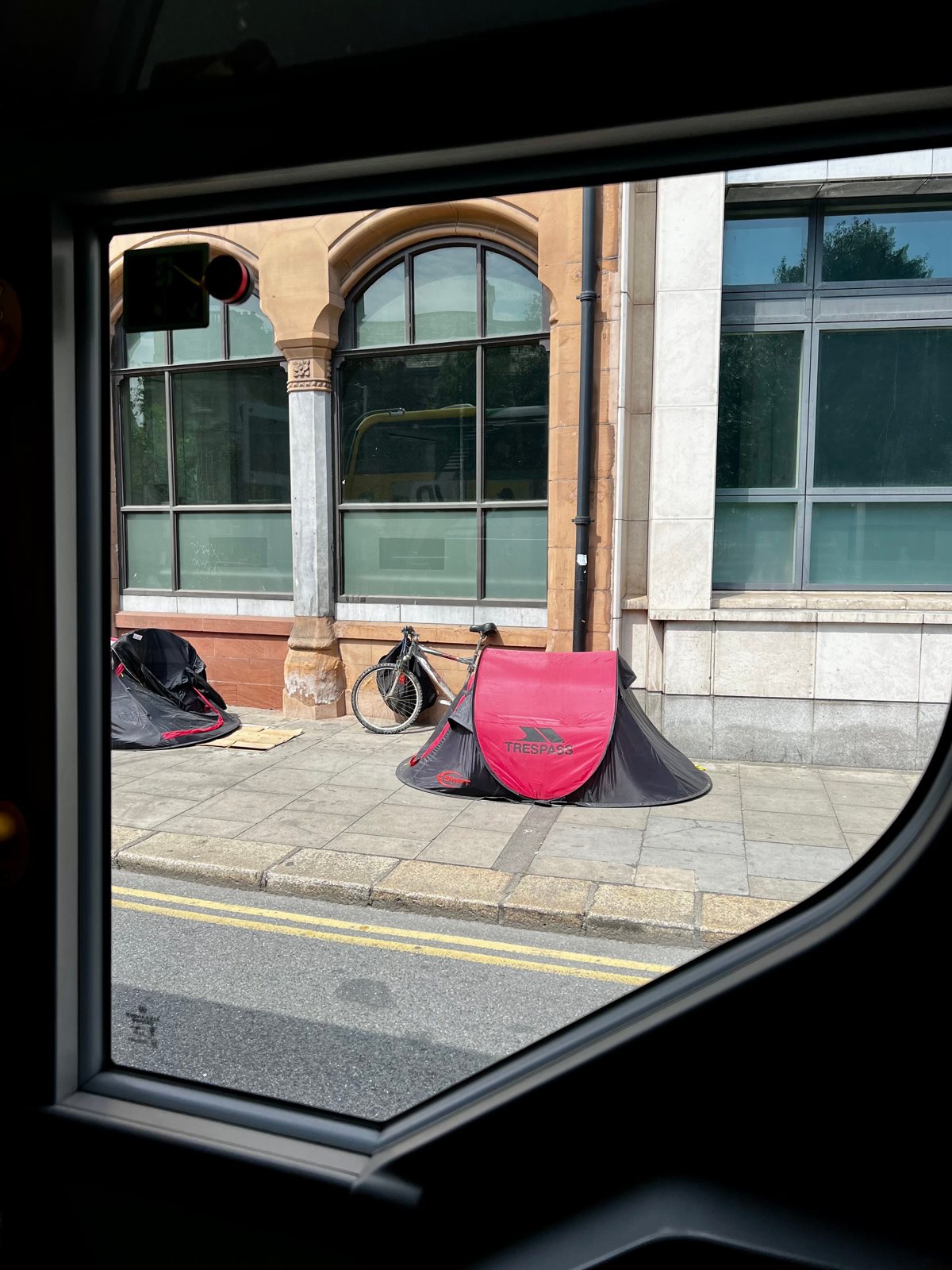
I had arrived with an expectation that Ireland’s history of people leaving would make it especially sympathetic to people arriving. I knew about famine and emigration, and I had turned that knowledge into an assumption about the welcome I would find. The protests were difficult to fit into it.
On Nov. 23, 2023, 3 children and a woman were injured in an attack on Parnell Square East. That evening, rioting broke out in the city center. Garda Commissioner Drew Harris attributed the disorder to a faction driven by far-right ideology. Buses, police cars, and a Luas tram were damaged by fire.
I was in my room watching Dreamgirls when I noticed smoke rising in the distance.
I picked up my phone and recorded it. In the video, you can hear Jennifer Hudson singing in the background. The film was still playing while I recorded the view.
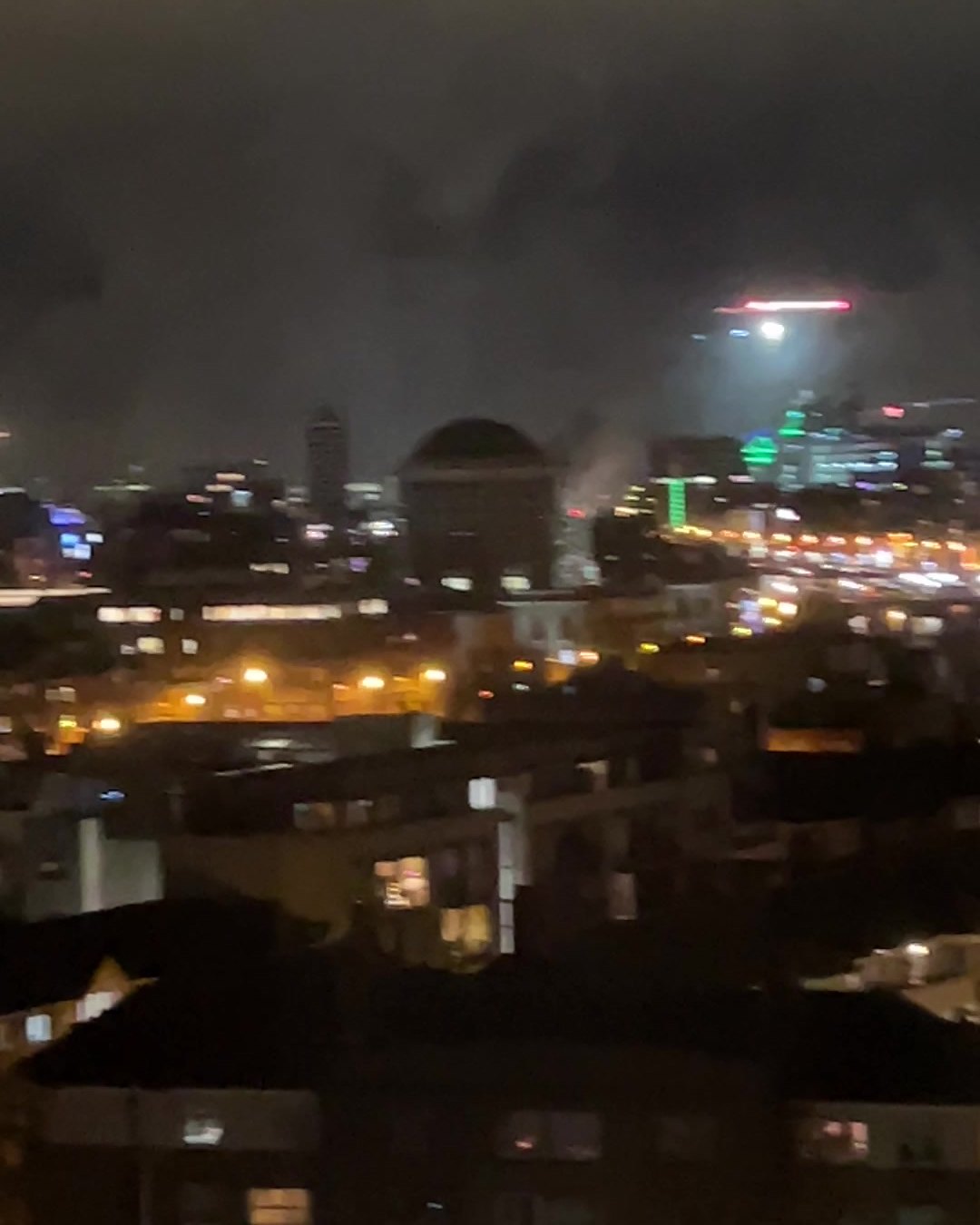
I had already seen the protests. Now there was smoke above the city where I was making plans to live.
There were other responses to the attack. Caio Benicio, a Brazilian delivery driver, intervened to stop the attacker. Council workers helped clean up the city after the riot. I couldn’t make the people setting fires stand for everyone I had met there.
One of my roommates, a Chinese student, barely left the apartment for nearly 2 weeks afterward. She was afraid to walk around the city. I understood why.
Talking with another roommate, who was German, I heard myself say that technically they didn’t want us there either. We were immigrants.
It was the first time I had used the word for myself.
I knew my circumstances were different from those of someone seeking asylum. I had come for a degree and hoped to find a job. But I had still moved to another country intending to build a life there. Until that conversation, I had kept that fact separate from the word.
“Expat” was easier for me. It suggested choice and a plan I could change. In the version of the world I had grown up with, immigrants came to America. Americans moved abroad.
The distinction sounded less convincing when I said it from a student flat in Dublin.
I never felt personally targeted there. People asked about my clothes and where I was from. I walked streets where I had seen people shouting outside accommodation, and nobody directed that hostility at me.
I still don’t know why. I wondered about my accent, how I dressed, and whether people saw an American before they saw anything else.
Calling myself an immigrant didn’t make our circumstances the same. It made me consider why I had thought the word belonged only to them.
Deciding to leave
I kept trying to make the original plan work. As the course came to an end, I applied for jobs. I got close on one role and didn’t get it. I had budgeted for school, not an open-ended search for work afterward.
The question was becoming how much longer I could afford to wait. I also had to admit that a job was not the only thing I wanted to be different.
After 13 years in Southern California, the cold and gray weather wore on me. I missed being anonymous. I enjoyed the conversations about my clothes, but I didn’t always want to have one. In Los Angeles or Paris, I felt I could wear the boots and attract less attention.
There was plenty I liked. I could get around without a car. People talked to me. The food surprised me; I don’t remember having a single bad meal. I had arrived with low expectations about that, too, and Dublin had corrected them.
The year gave me a life I could describe in ordinary details: the bus to campus, the view from my window, and the roof where I went to clear my head. I had wanted those things to become the beginning of a longer stay.
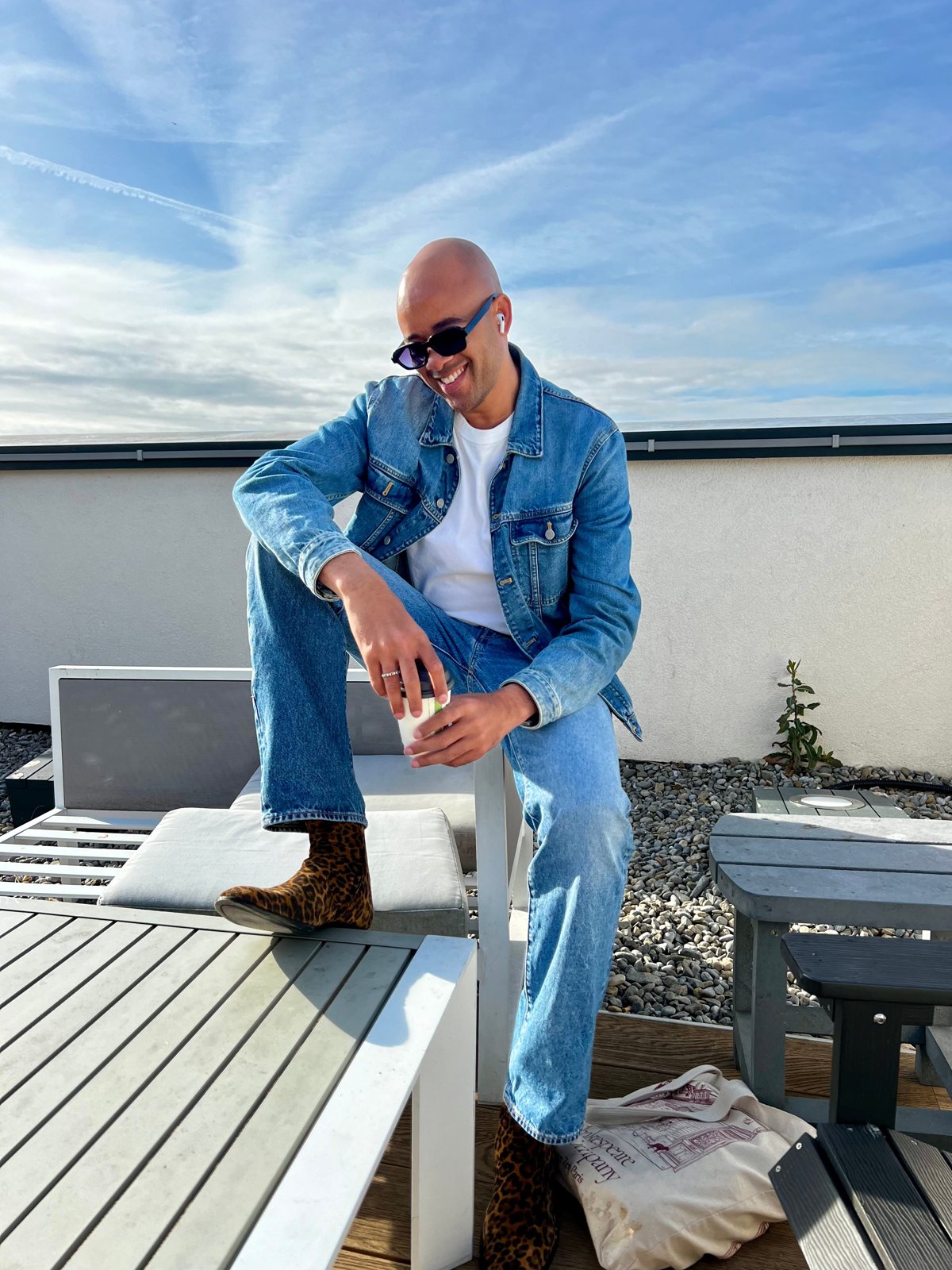
They didn’t. The job hadn’t come through, the money had limits, and I was no longer sure I wanted the future I had planned there.
I left Dublin after a year. I had liked living there and decided to leave anyway. I had also been an immigrant during the months when I fully intended to stay. It took living there for me to say it.

Read next: Why I left Los Angeles after 13 years

Each issue has a letter from me, one long story, and picks I’d book again.
Free. One email a month. I never sell your address.


