
Story SGN · Ho Chi Minh City
What my American dollars bought in a Ho Chi Minh City nail salon
Three women worked on my hands and feet at once, and I was the American with money to spend.
Written and photographed by Ethan Ward
Went: 1 month
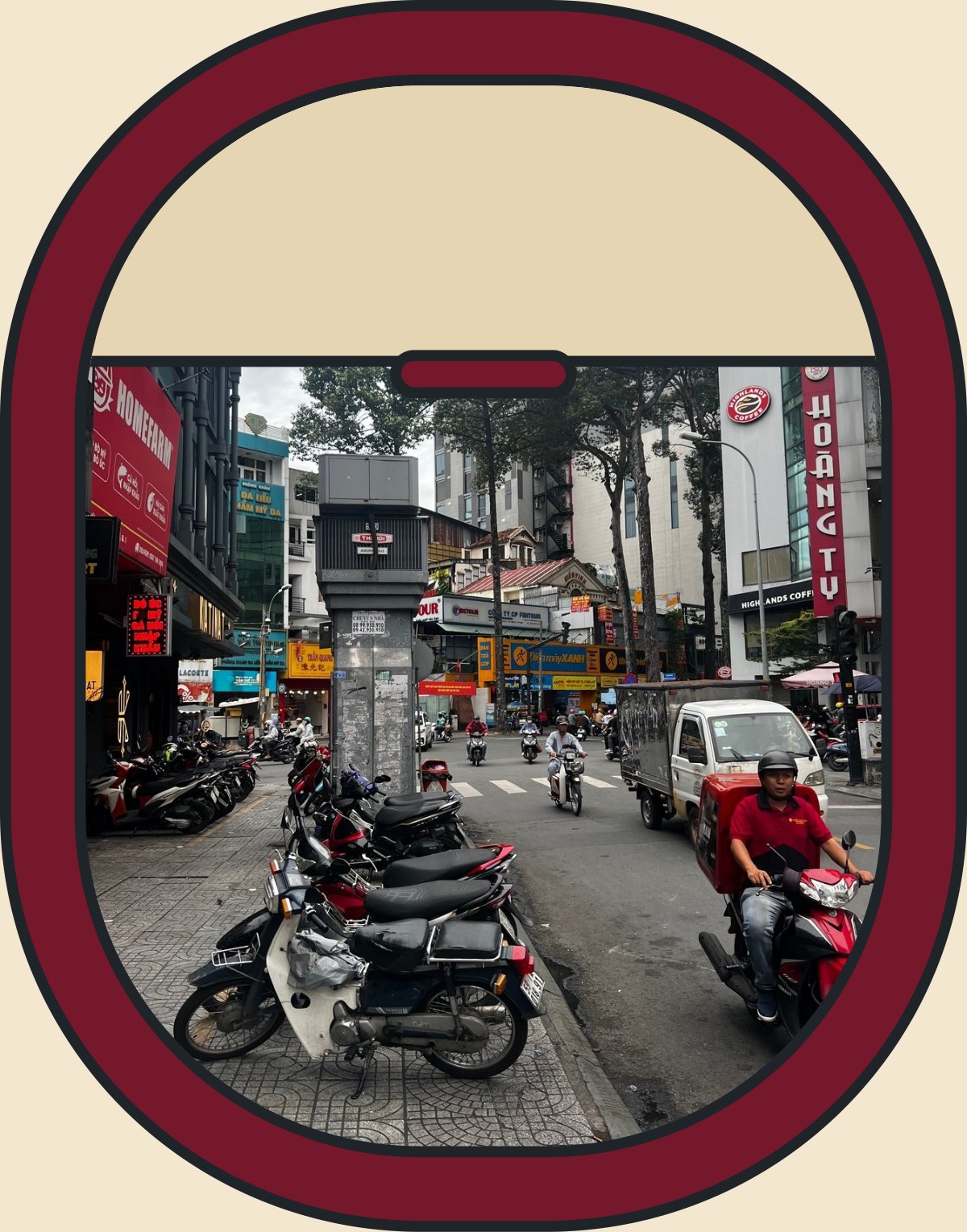
The woman outside the salon was calling “foot massage, foot massage” to anyone who slowed down. I’d been walking around for 20 minutes trying to choose a nail salon. There were so many competing signs that I’d apparently stopped seeing them.
I said no thanks.
“Manicure? Pedicure?” She pointed to a folding sign on the sidewalk. “We do that too. Come in, come in.”
I was tired of walking. The salon looked clean through the windows. Good enough.
I took off my shoes at the door and sat down. Three women appeared, one at each foot and one at my hands.
“We can do foot massage too for extra,” one said. “Have you out in an hour.”
I hadn’t asked for a foot massage. I also hadn’t expected three people. But I agreed, and they got to work: one scrubbing my feet, another massaging my calves, a third examining my cuticles. They spoke to each other in Vietnamese and switched positions as they worked. I couldn’t follow the conversation, but they knew where to be.
I get my nails done regularly. I type all day. I spend a lot of time looking at my hands, and having them done makes me feel good. In Los Angeles, Dublin, or Paris, it’s usually one person working on me, and I leave relaxed.
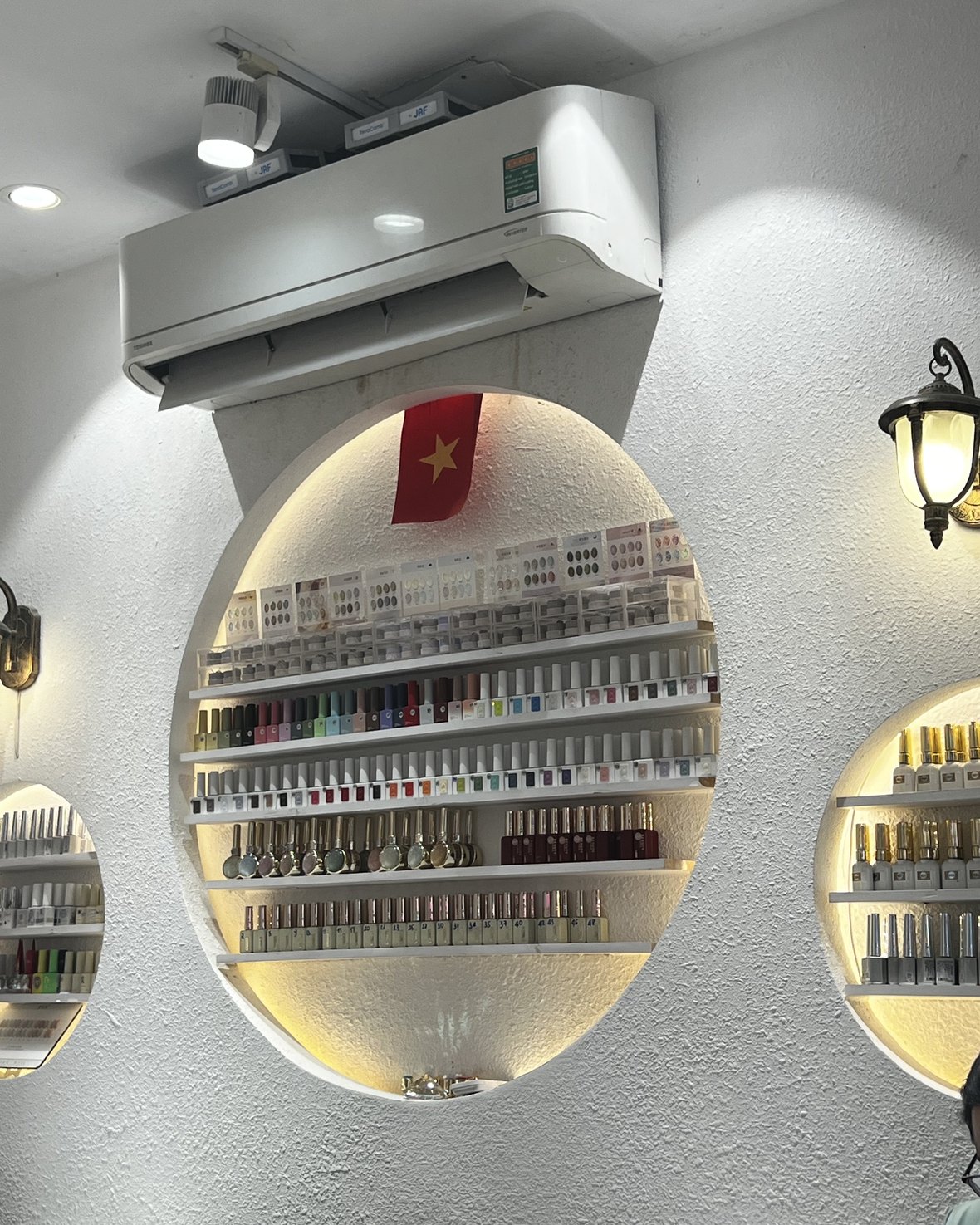
Here, I felt like a car on an assembly line. Everything was happening at once. I was trying to settle into a service I knew well while being touched from three directions. Outside, the woman who’d brought me in was already calling to the next person.
The service cost around 1.3 million dong. I tipped each of the three women 200,000 dong, bringing the total to roughly 1.9 million. Their eyes widened slightly, then they smiled and thanked me.
I walked back into the humidity of District 1, past the scooters and street vendors, trying to work out why I felt so strange.
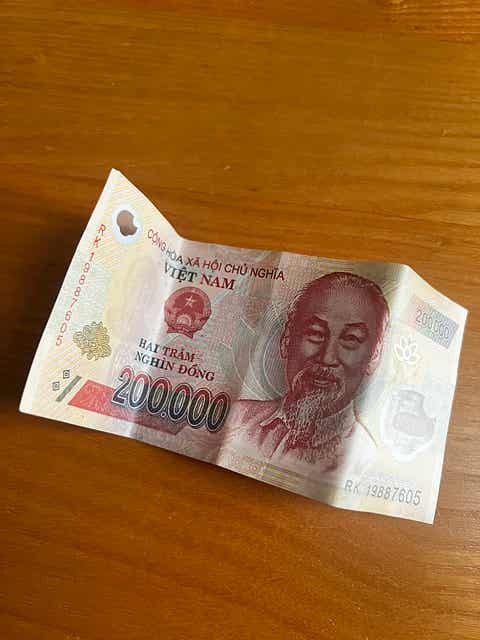
I was used to thinking about what getting my nails done meant for me. It was a small expense I could finally afford to make routine. Sitting in that chair, I’d become much more aware of what I was buying: three people’s attention, skill, and physical work, all directed toward my comfort.
I was the American with the money to spend. That was an unfamiliar way to think about myself.
Both my parents worked when I was a kid. My dad had two, sometimes three jobs. I barely saw him. My mom worked full time, then came home to make dinner and get us ready for school. As the oldest, I watched my siblings after school. We were latchkey kids. We didn’t take family vacations.
When I got into college in New York, my parents couldn’t afford to send me. I’ve experienced homelessness twice. I worked my way through undergrad and two master’s degrees, and toward a life where I could travel, live in Dublin, and get my nails done without having to justify it to myself every time.
I earned what I have. I know what it took.
That history came into the salon with me. So did my American passport and the dollars that made this visit possible. Having struggled for money didn’t cancel out the position I occupied when I sat down.
As a Black person in the United States, I’m used to being aware of the barriers: how I’m seen, what gets assumed, how much work it takes to get somewhere and still be treated as though I don’t belong. In that salon, I felt the power attached to being American. I could walk in, agree to an extra service, and decide how much more to leave.
I was the American with the money to spend.
The work itself was familiar. Vietnamese women had run the nail salons I’d visited in the United States, Dublin, and Paris. I’d reported on immigrant labor economies. I knew there was a history behind an appointment I usually treated as an ordinary errand.
After the fall of Saigon, Tippi Hedren arranged for her manicurist, Dusty Coots, to teach nail care to about 20 Vietnamese refugee women at a camp in Northern California. Hedren then helped them find jobs in Southern California. That training became part of the history of Vietnamese Americans building livelihoods in the nail business.
I thought about that history while watching the women in Ho Chi Minh City work. Halfway through, the woman at my right foot moved to my left. The adjustment was quick and practiced. I recognized the movements from appointments thousands of miles away.
Then I thought about the woman who usually did my nails in Los Angeles. I saw her every couple of weeks. She asked about my work and told me about her daughter. I wondered whether she had family in Vietnam, whether some of the money I paid her went home. Questions I hadn’t asked during all those appointments returned to me in this chair.
Tourists who brag about haggling a price down to almost nothing have always bothered me. Especially when the pleasure seems to come from knowing the seller needs the sale more than they need the savings. I paid the asking price and left a tip. I wanted to acknowledge the work.
The manicure held up through the rest of the trip. I’ve had others since. I still like looking at my hands when they’re clean and cared for.
I keep coming back to those three women, the practiced movement from one foot to the other, and the voice outside bringing in the next customer.


Each issue has a letter from me, one long story, and picks I’d book again.
Free. One email a month. I never sell your address.


