
Story SGN · Ho Chi Minh City
At the checkout counter in Ho Chi Minh City, the warmth changed
I noticed smiles disappear when my turn came, then found myself questioning what I had seen and what I was bringing to it.
Written and photographed by Ethan Ward
Went: 1 month
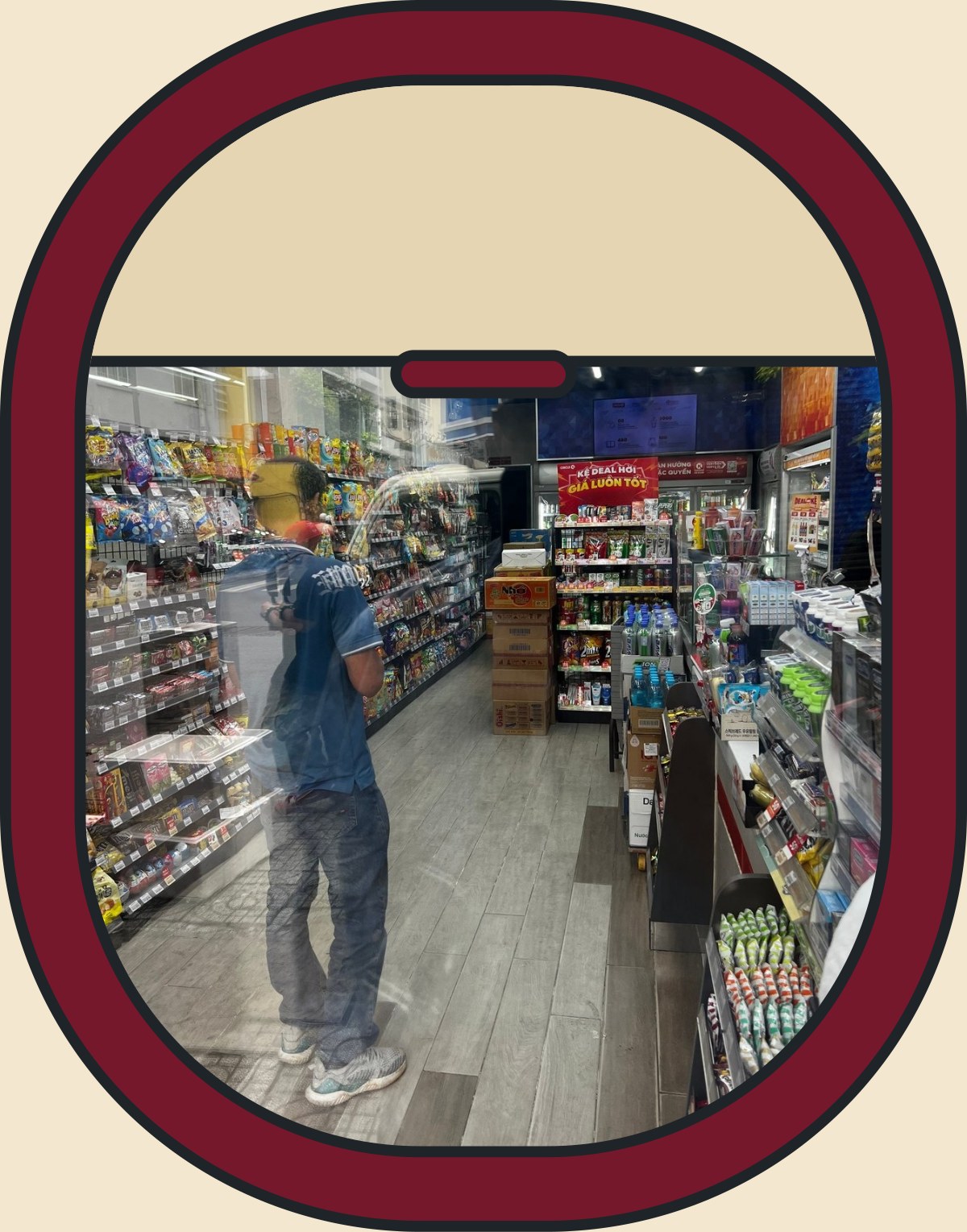
A few times in Ho Chi Minh City, I watched women working in stores and cafés beam at white foreigners. Wide smiles. Softer voices. Then it was my turn, and their faces went blank. No eye contact. Just the transaction.
My first reaction was confusion.
Chile. Why are you smiling at them like that? You know what they did here, right? If it were me, I wouldn’t even let them into my country.
That was the thought before I’d had time to tidy it up. I was a Black American visiting Vietnam for the first time, watching white visitors receive a warmth I wasn’t getting. Into that small exchange came everything I knew about French colonial rule, the American war, and the different treatment I’d learned to notice at home.
I hadn’t expected buying something to require this much interpretation.
I could see the change in expression. The reason for it was harder to reach. Was I watching a familiar racial hierarchy operate somewhere new? Was the warmth part of the work of serving foreign customers? I wondered whether money had something to do with it, whether the white visitor was being read as someone worth more effort.
Then I started supplying other explanations. Maybe that person was a regular. Maybe he’d ordered in Vietnamese. Maybe the woman was simply tired by the time I reached her.
I could keep doing that for a while. None of it explained why the contrast had felt so familiar.
In another convenience store, a woman and her two young children glanced at me, spoke to each other in Vietnamese, then glanced again. I was in line paying. I thought they were talking about me, and my first interpretation was that they were being unkind.
Then came the argument with myself. You don’t know what they said. It could have been about your shoes or your tote bag. Why did you go straight to threat?
I couldn’t translate their words. I could follow my own reaction very well. Recognition, suspicion, correction. By then I was examining myself as closely as I was watching them.
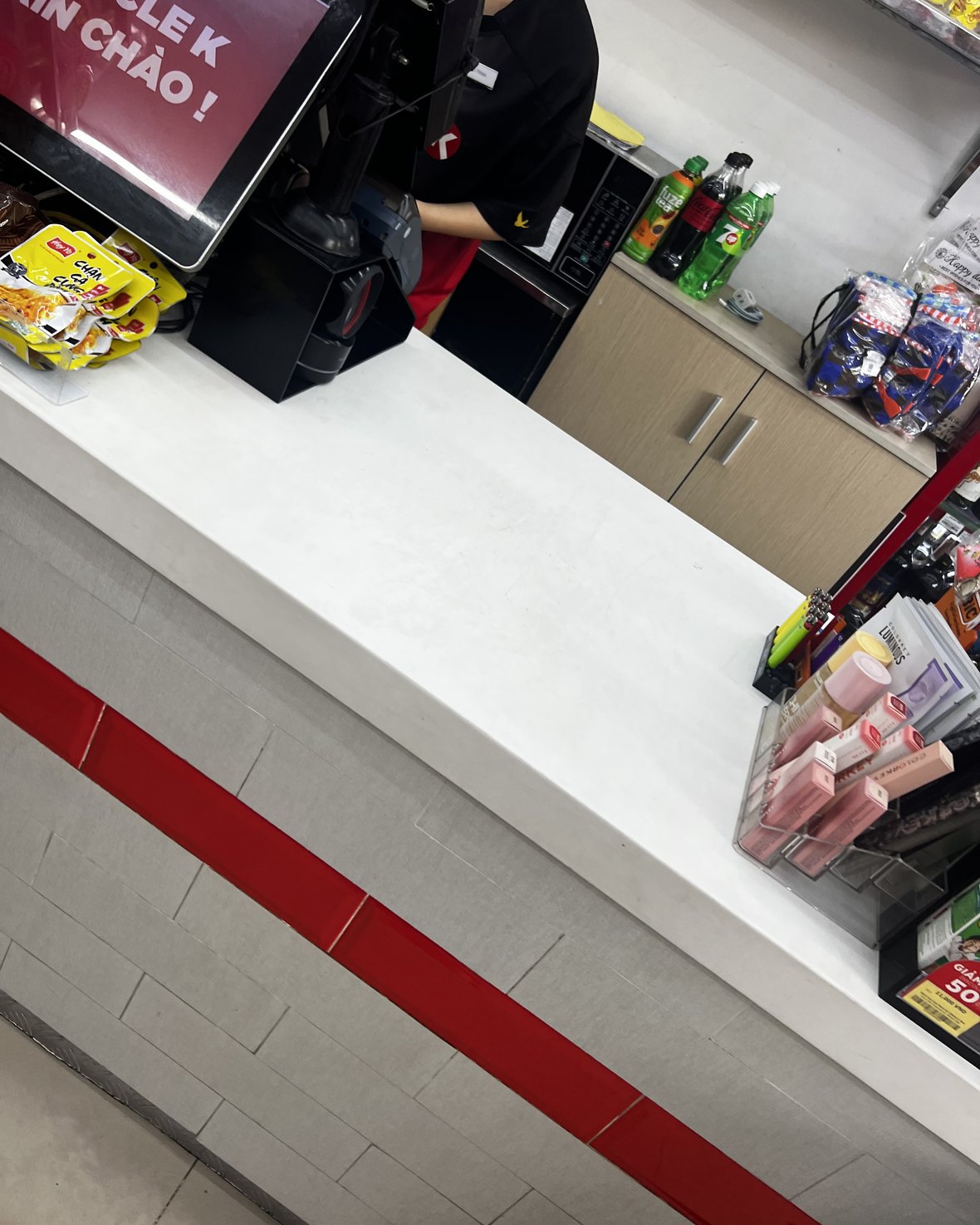
That part of traveling doesn’t show up in the photograph of the café. You’re trying to buy something, and suddenly you’re sorting through years of experience to decide what just happened. I knew I had brought my American understanding of race with me. I also knew I hadn’t invented the experience of being treated differently.
I kept returning to the same question: how do you extend warmth to people who look like those who came here with that much power?
I wondered whether Americans would do the same. I thought about how fiercely we hold on to grievances, how readily we organize our sense of ourselves around what someone else did to us. Watching visitors being welcomed in Vietnam made me think about forgiveness on a scale I hadn’t had to practice.
But I was the one calling it forgiveness. The woman making coffee hadn’t told me that was what she was doing. I was trying to interpret a greeting through history, and a greeting couldn’t answer all of that.
What unsettled me was how quickly an ordinary errand could become a question about where I belonged. I wasn’t local. I wasn’t white. I was American, with advantages I could use and a racial history I couldn’t leave at home.
The warmth changed. I was the one left trying to explain it.

Where I went looking for context: Inside the War Remnants Museum in Ho Chi Minh City

Each issue has a letter from me, one long story, and picks I’d book again.
Free. One email a month. I never sell your address.


