
Story SGN · Ho Chi Minh City
Most of what America taught me about Vietnam was wrong
In Ho Chi Minh City, a river-view apartment, a work schedule, and a phone that always needed charging gave me a life I hadn’t known to picture.
Written and photographed by Ethan Ward
Went: 1 month
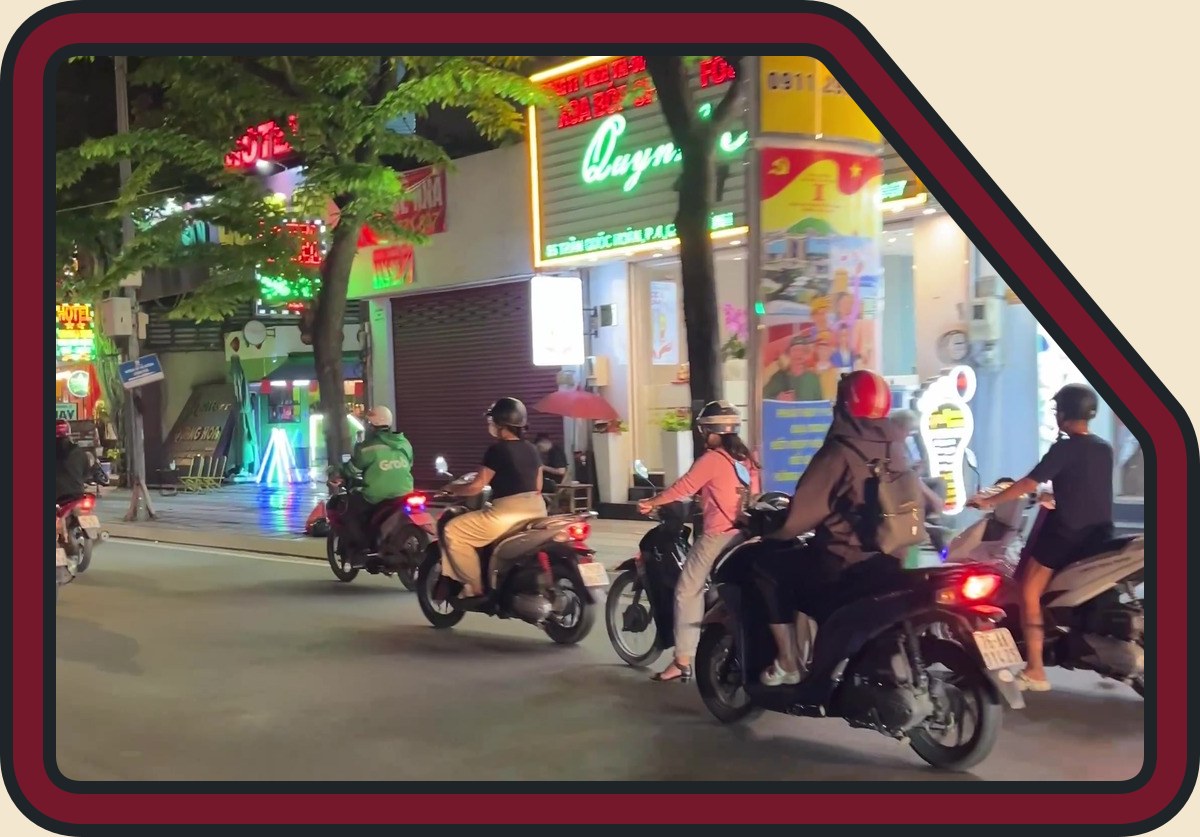
When the car from the airport turned onto the main road in Ho Chi Minh City, I started recording on my phone. Motorbikes filled the street. Riders moved through intersections in patterns I couldn’t work out from the back seat. I noticed helmets on drivers and passengers, and kept watching the traffic make its way around us.
Then there were the buildings. Glass towers, cranes, apartment complexes that looked newly finished. I hadn’t expected any of it. That was an embarrassing thing to discover about myself through a car window.
Growing up in the United States, I had mostly encountered Vietnam through a war that ended before I was born. Textbooks, movies, the way adults talked. If someone had asked me at 15 to picture the country, I probably would have described rice paddies, straw hats, and poverty. Vietnam existed in my imagination largely as somewhere Americans had been hurt, or somewhere America had done harm.
Nobody had sat me down and told me that was the whole country. I had absorbed it without noticing how little else I knew. There was almost nothing in that picture about what people did on an ordinary day, long after the Americans in the movies had gone home.
The towers caught my attention because they contradicted what I expected. But replacing an image of poverty with an image of high-rises would still leave me knowing very little. I had come to stay for a while. I needed to see what happened after the ride from the airport.
A place to wake up
I stayed in District 4, in an apartment building overlooking the Saigon River. Across a bridge was District 1, where I went for restaurants and landmarks. I could reach it on foot or take a Grab. I had chosen the area for the same reason I chose Bang Sue in Bangkok: I wanted access to the center without staying in the middle of it.
Around me, new buildings were going up along the river. Behind them were street vendors, markets, and narrow alleys. Cranes were visible above the rooftops. The apartment was clean and nicer than I had expected, with a balcony facing the water.
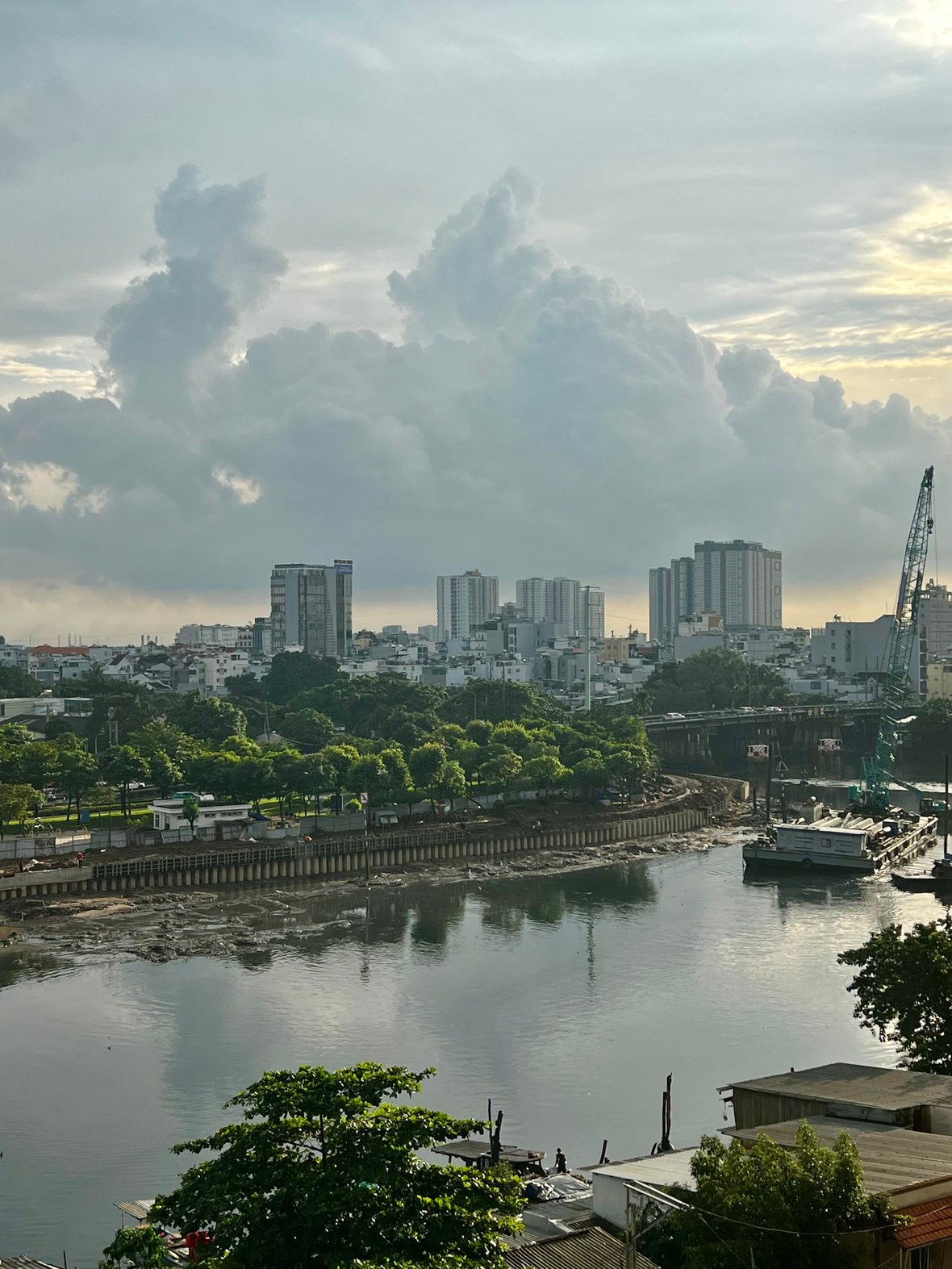
Every time I looked out, I had some version of the same thought: I live here right now. This is where I wake up.
My days became fairly simple. Gym in the morning, then breakfast. I would walk around the neighborhood or head across to District 1. In the evening, I worked from the apartment, keeping London or U.S. hours depending on my meetings. Some nights I went out again. Some nights I stayed in.
I still had work to do and a schedule to keep. The city was where I did those things, as well as somewhere I wanted to explore. My view of Vietnam began to include the hours between outings.
Even its name took some getting used to. The city was officially renamed Ho Chi Minh City in 1976, but I heard and used Saigon too. I settled into saying Saigon casually, Ho Chi Minh City when it felt more formal, and HCMC in texts. I didn’t need to choose one name for every conversation.
Enough battery to get home
My phone had to stay charged. Google Translate helped me communicate beyond pointing and gesturing. Grab was how I arranged rides. I could walk, but if I got lost or wanted a car back, I needed the phone to work.
I thought about the battery much more than I did at home. How long could I stay out before I needed to charge it? Could I get to District 1 and back? If I went farther than planned, would I still be able to call a car?
There was always that small calculation underneath an outing. I could decide where to go on my own, but I depended on the apps to help me get there and say what I needed once I arrived. A low battery meant more than losing something to scroll through.
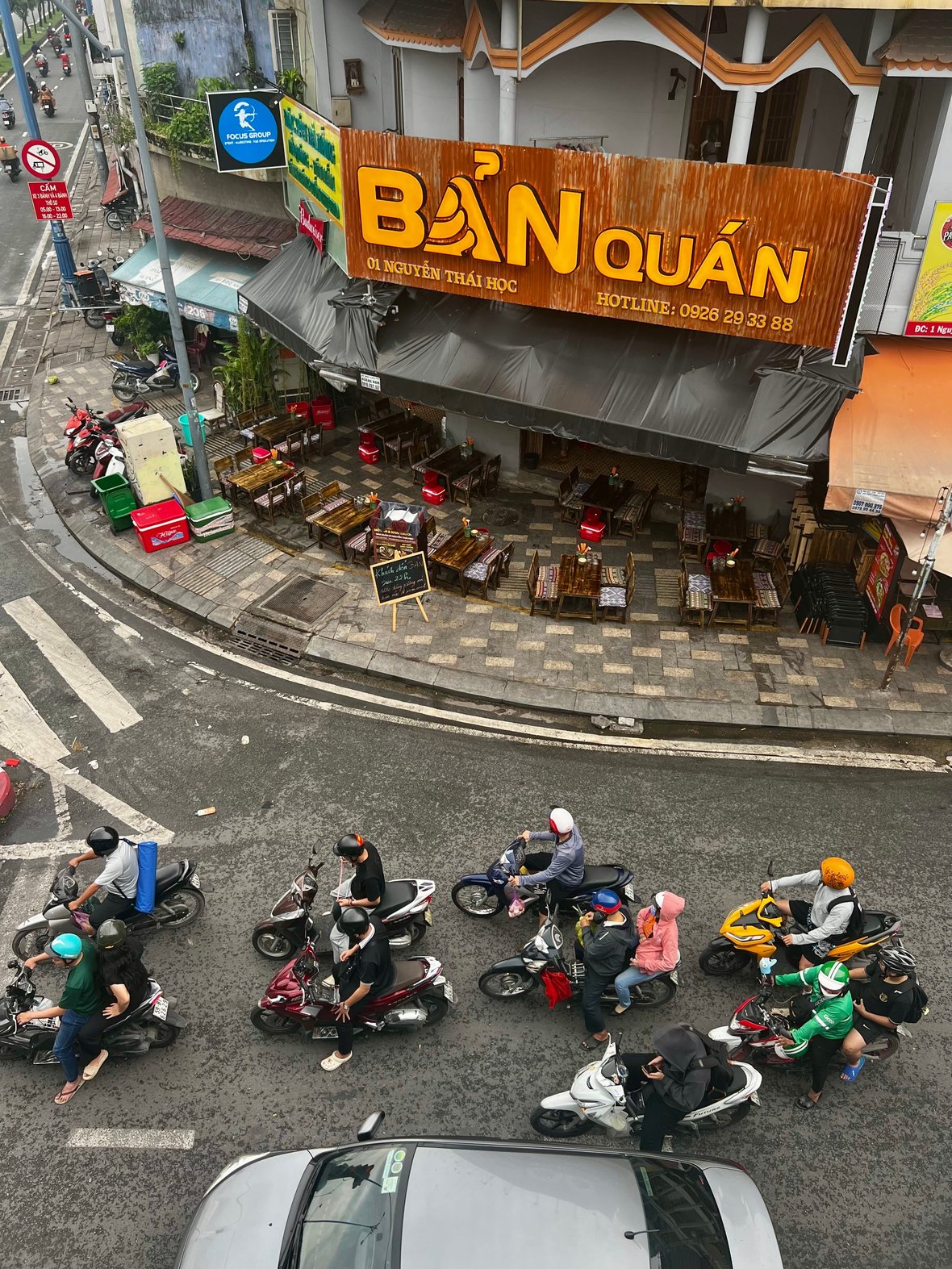
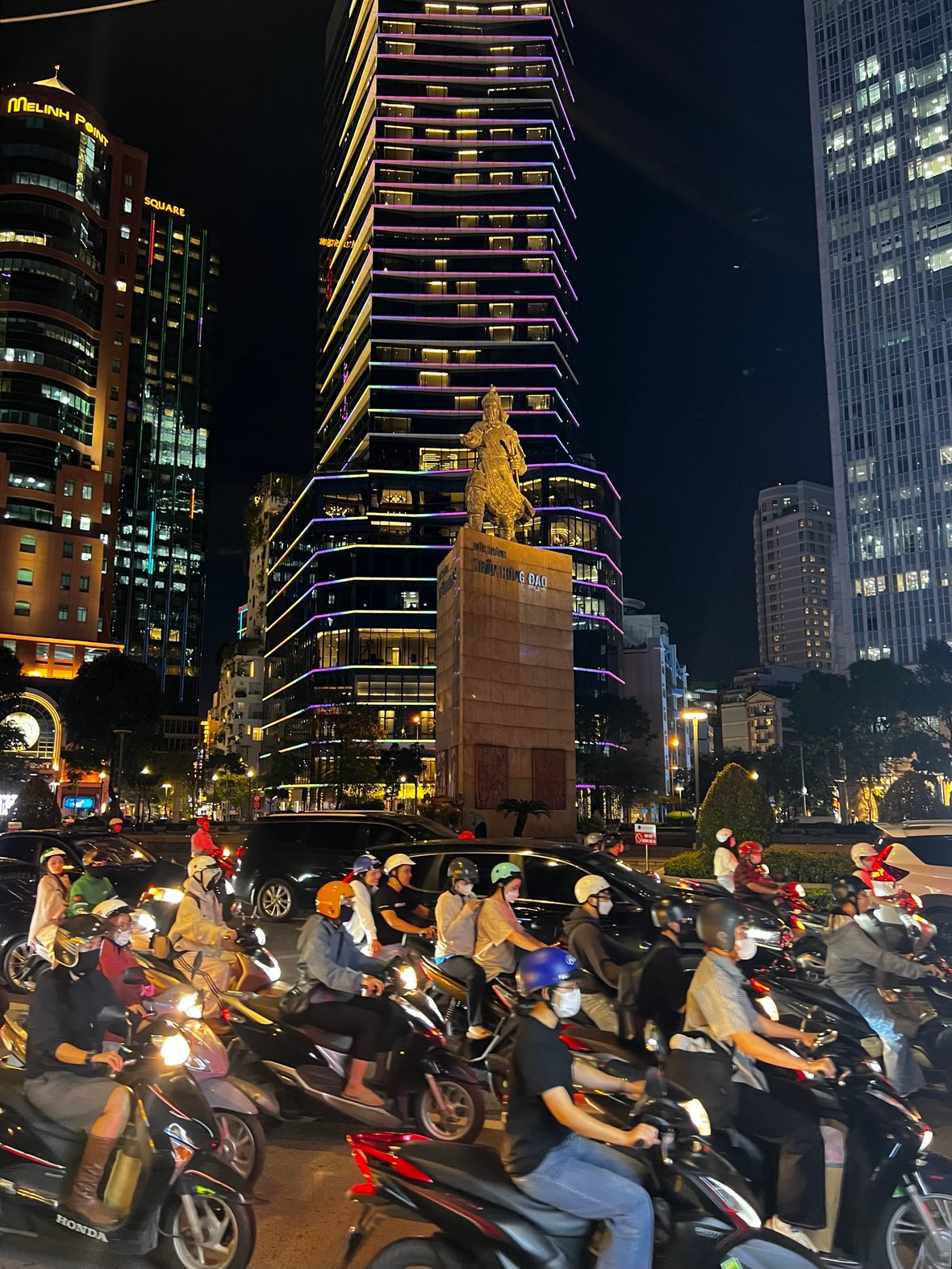
The language made me pay attention in other ways, too. There were conversations around me I couldn’t follow, signs I couldn’t read, and announcements from the app in Vietnamese. I was alert because so much needed figuring out. It could be tiring. I also liked how awake I felt.
Alone and being looked at
I got stared at a lot. I’m 6 feet 3, Black, and was usually by myself. I couldn’t know which of those things someone was noticing, or whether it was something else entirely. Without understanding the conversation around me, it was easy to supply an explanation of my own.
At restaurants, tours, and activities, I often got a question: “Alone? Just you?” People sounded surprised. I would say yes, and after a moment we would move on.
Other encounters were harder to read. At a checkout counter, a woman didn’t smile at me the way she had smiled at the white customer before me.
An evening on the river
I knew I wanted to take a boat ride, so I bought a ticket for a sunset tour on the Saigon River. I went alone. They handed out gelato, and I watched the city from the deck as the light changed. Gold, then orange, then dark. By the time we docked, it was night.
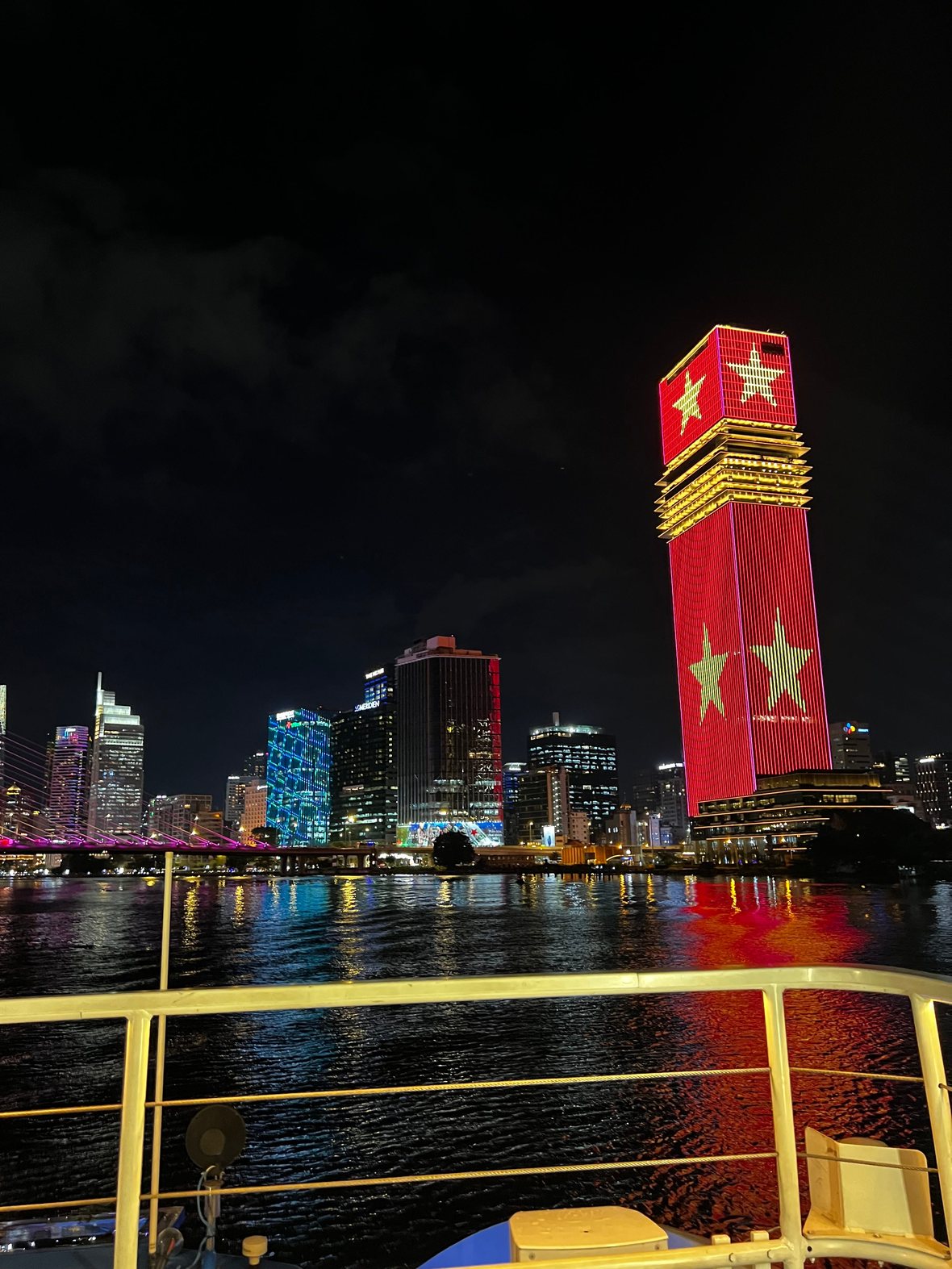
Growing up, our trips were drives from Maryland to visit grandparents in North Carolina or Georgia. There were five of us in a maroon Astro van. I didn’t have a passport until I was an adult.
On the boat, I thought: I’m here. In Saigon. On a boat. Eating gelato. And nobody in my family has ever done this.
For a while, that was enough. I wasn’t trying to work out what the trip meant or explain the distance between that childhood and this evening. I sat there and watched the city change color.
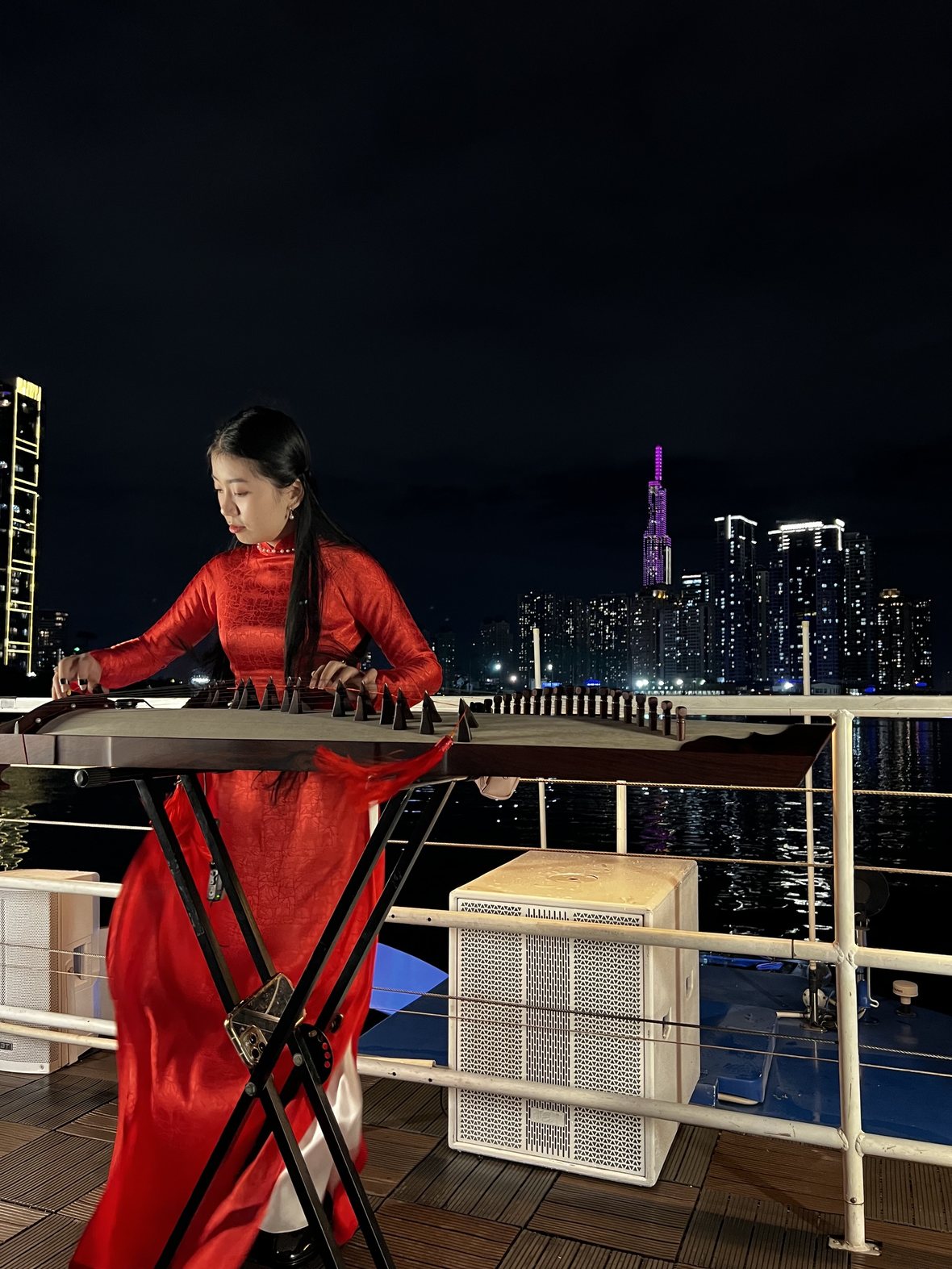
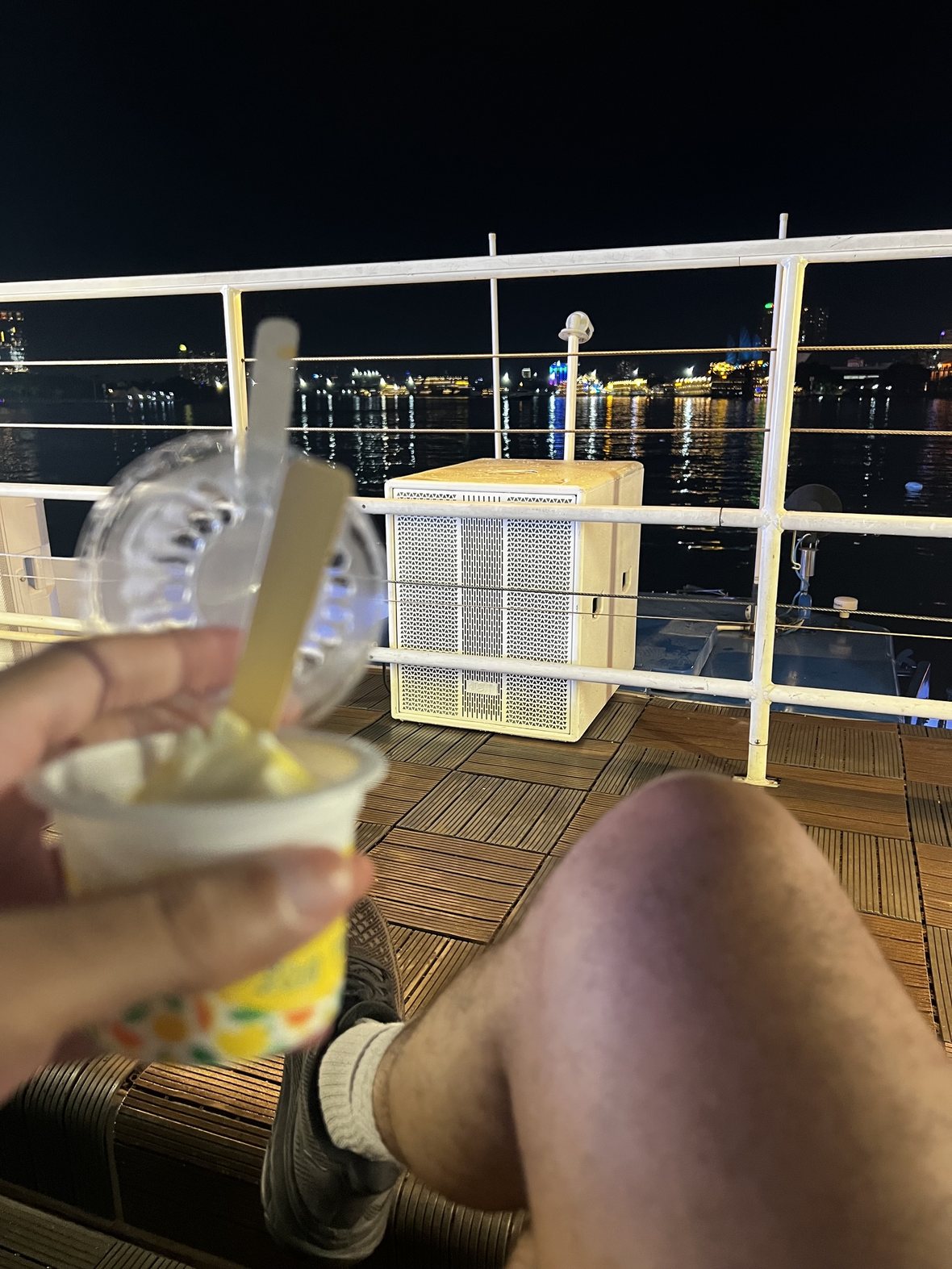
There were people eating, working, and going somewhere, whether or not I understood where. I had my own ordinary things to do among them. The war belonged to the country’s history. It could not tell me everything about the place where I was now living.
Every morning, I woke up to that river. And every morning, for a few seconds before I was fully awake, I forgot to be surprised that I was there.


Each issue has a letter from me, one long story, and picks I’d book again.
Free. One email a month. I never sell your address.


